
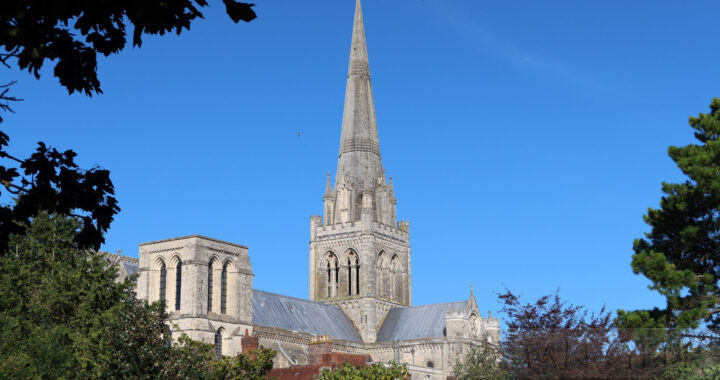
Chichester: A Roman city in Sussex
Overview
- Chichester is an historic Cathedral city located in West Sussex in view of the South Downs and adjacent to Chichester Harbour. It is a County town and seat of the Diocese of Chichester and was once a major port with access to the sea. The streets retain their Roman grid plan and are lined with attractive Georgian buildings.
History
- Chichester was founded by the Romans as Noviomagus Reginorum, soon after the invasion of 43 CE. The city is located at the end of Stane Street, the Roman Road from London, which continued to a tidal port on Chichester harbour at Dell Quay. As late as the 14th century CE, it was still the port for Chichester and was considered the 7th greatest port in England. The Saxons under Alfred the Great rebuilt the Roman walls against the Viking threat around 879 CE. The Norman cathedral was founded in 1075 and has the fourth highest spire in England.
Chichester Walking Tour
- Your geolocation will appear as a blue dot that moves on the map as you walk.
- You may start anywhere on the map and just follow the blue line to the next point of interest.
Things to Do and Places to See in Chichester
1. Chichester Cathedral
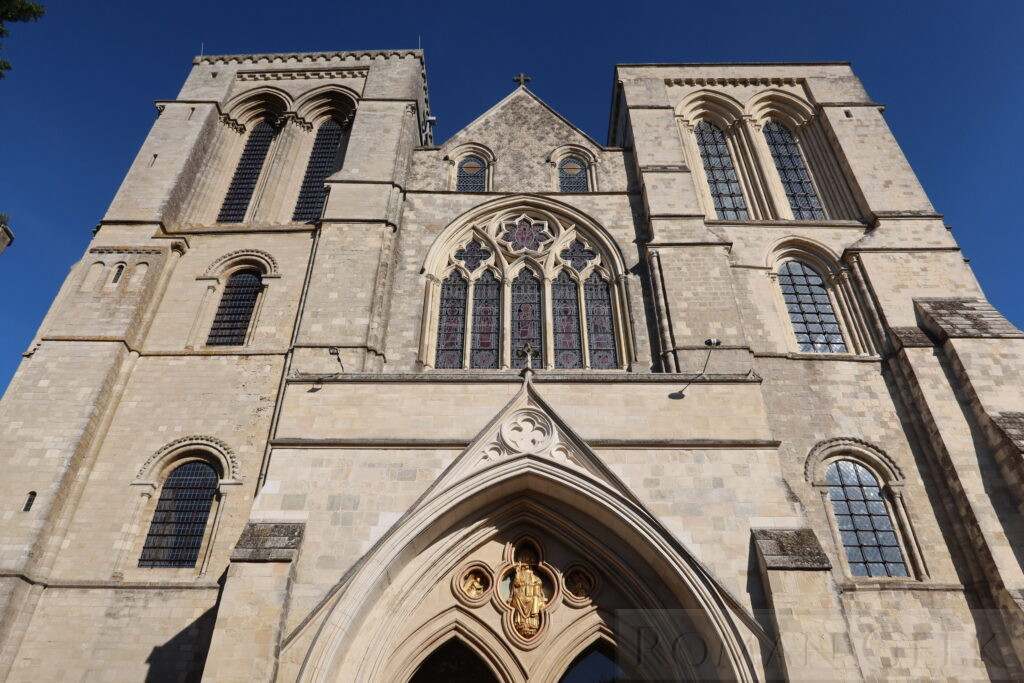
Chichester cathedral
Description: Chichester cathedral was founded in 1075 and consecrated in 1108 as the seat of the Bishop of Chichester. It is unique in having double aisles and a free-standing medieval bell tower with a ring of eight bells. The spire is the fourth tallest in England after Salisbury, Norwich and Coventry, and is the only spire of an English medieval cathedral that can be seen from the sea. In 1861, the spire collapsed, and Queen Victoria and Prince Albert contributed to the reconstruction fund. The cathedral was originally built in the Norman style and rebuilt over the centuries in the Early Gothic style with rib vaults, pointed arches and flying buttresses. There is a cloister on the south side. The cathedral hosts evening concerts, as well as lunchtime concerts. The cathedral has appeared in paintings by J.M.W. Turner and John Constable.
2. Bishop’s Palace Gardens
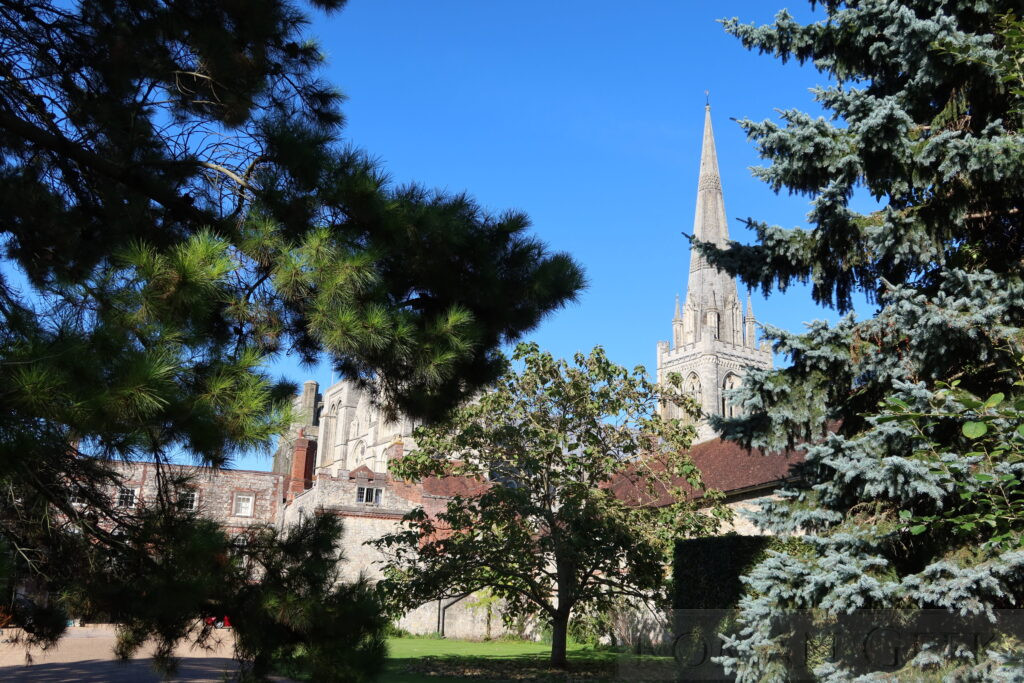
Bishop’s Palace Gardens, Chichester
Description: This Historic garden is hidden away through an arch at the end of Canon Lane. Dating from 1148, the Garden is filled with native fauna, has benches and storyboards, a pergola walk and an arboretum. The gardens are enclosed by Chichester Roman Walls which can be walked along.
3. Novium Museum
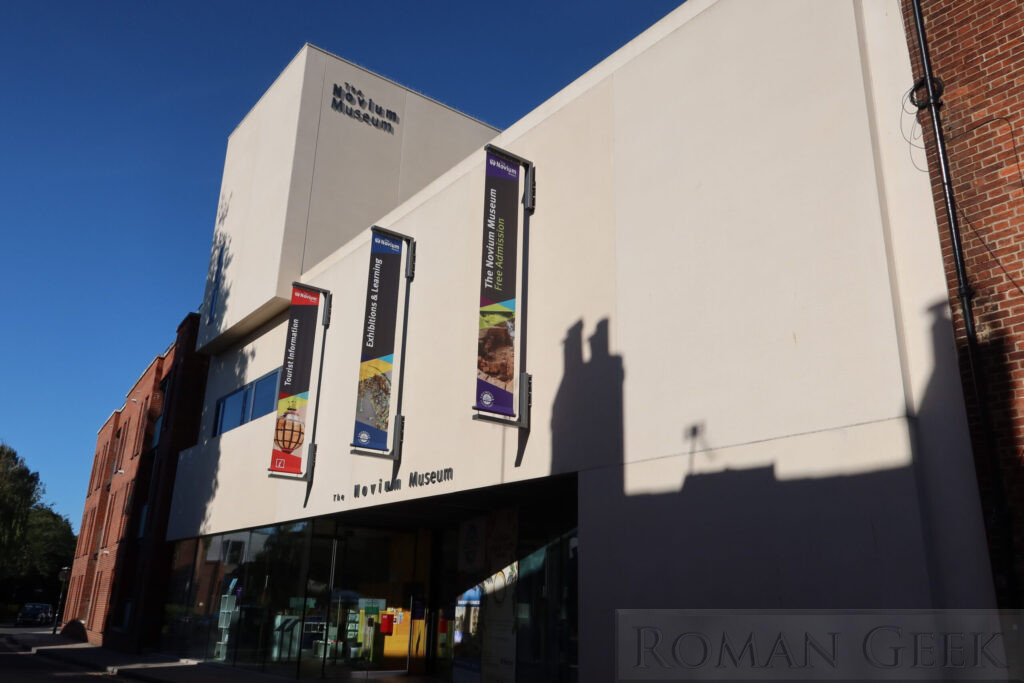
Novium Museum, Chichester
Description: Located in Tower street, The Novium Museum was built to preserve the remains of a Roman Bath house and contains over 150,000 Artefacts. The Novium Museum hosts Chichester Roman Week every year during May. This consists of re-enactments, guided tours, family activities and talks and workshops.
4. Market Cross
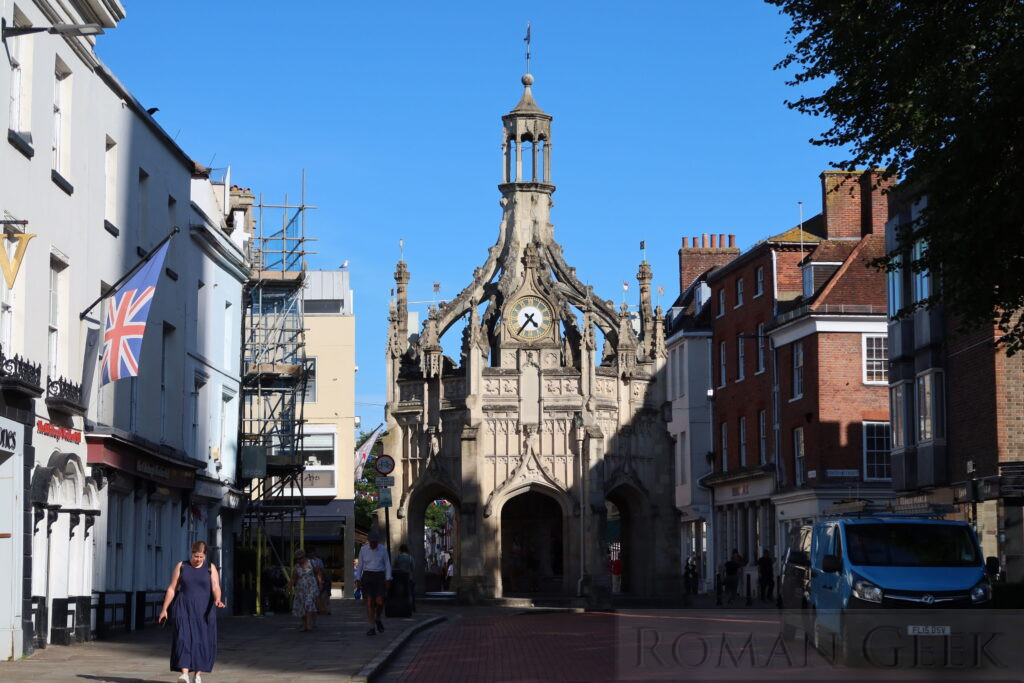
Market Cross, Chichester
Description: Thought to have been constructed in 1501, the Market Cross is a cross and arch Grade I listed monument, which stands at 50 feet (25m) high, and was built in the style of Perpendicular Gothic architecture. It is a vaulted octagonal building with eight buttress piers and an open arcade. It served as a covered market until the opening of Buttermarket in 1808.
5. Chichester Shopping Area
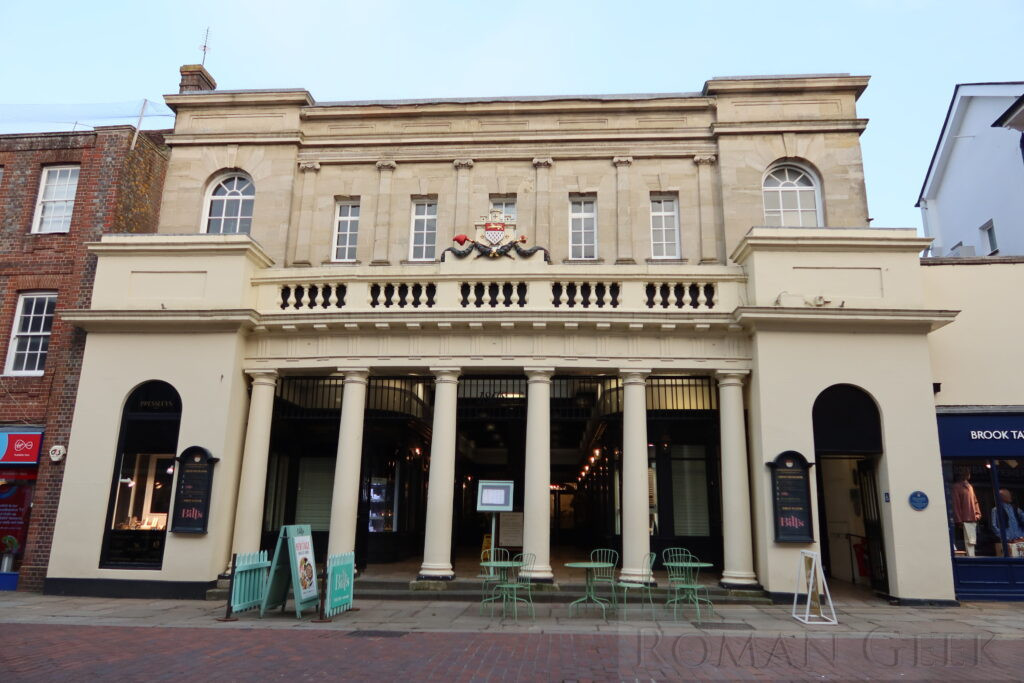
Buttermarket, Chichester
Description: Chichester’s main shopping and cafe-restaurant area is very compact and walkable, consisting of four streets based on the original Roman street plan, North, East, South and West street. North street and East street are pedestrian only. The streets have elegant Georgian architecture and the roads all intersect at the 16th century Market Cross. The Buttermarket in North street was designed by John Nash in 1808 and has an impressive portico with six doric columns. More shops and cafes are to be found nearby in The Hornet, at Almshouse Arcade and Draper’s Yard.
6. Pallant House Gallery
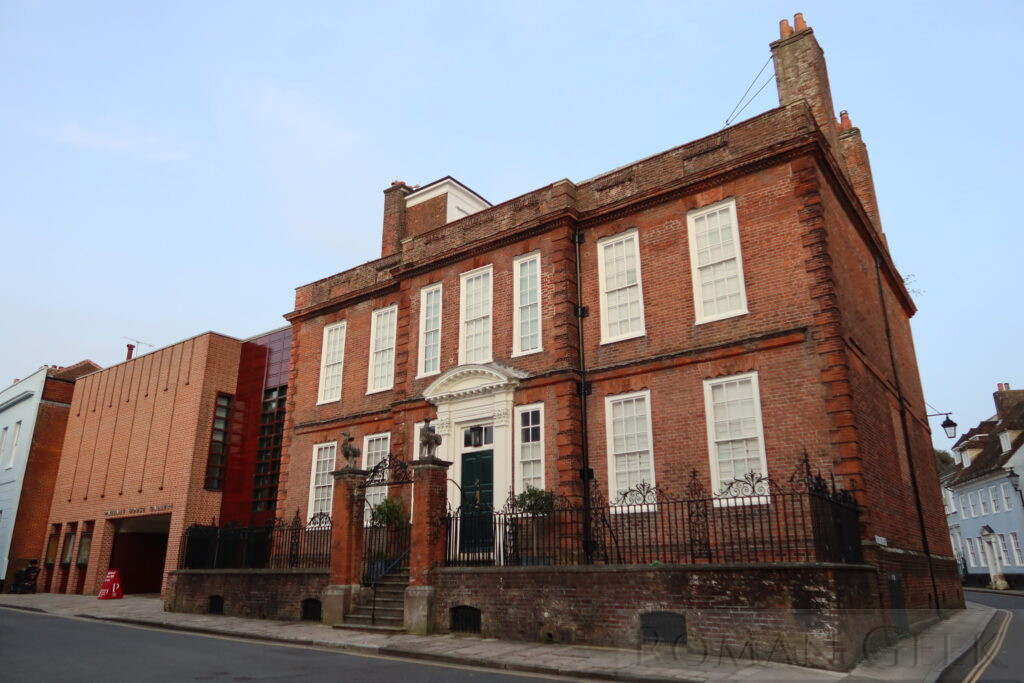
Pallant House Gallery, Chichester
Description: Located at 9 North Pallant, the Gallery houses one of the best collections of 20th century British Art in the world. Donated from private collections, the Gallery hosts works by Barbara Hepworth, Henry Moore, John Piper, Ceri Richards, Graham Sutherland and Lucian Freud.
7. Oxmarket Centre of Arts Gallery
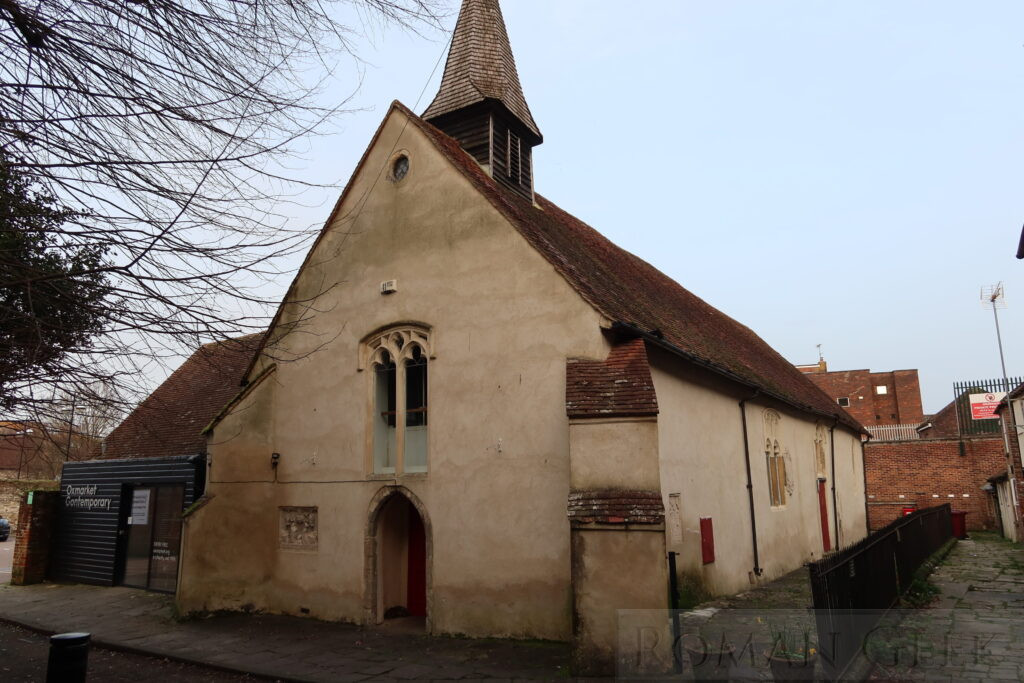
Oxmarket Centre of Arts Gallery, Chichester
Description: Located at St. Andrews Court, East street, the Oxmarket Gallery is a charity run by volunteers located in a deconsecrated 13th century medieval church in the Oxmarket, formerly St. Andrew’s church. The Gallery hosts 150 exhibitions every year and is a destination for artists, designers and lovers of arts and crafts.
8. Amphitheatre Park, Whyke Lane
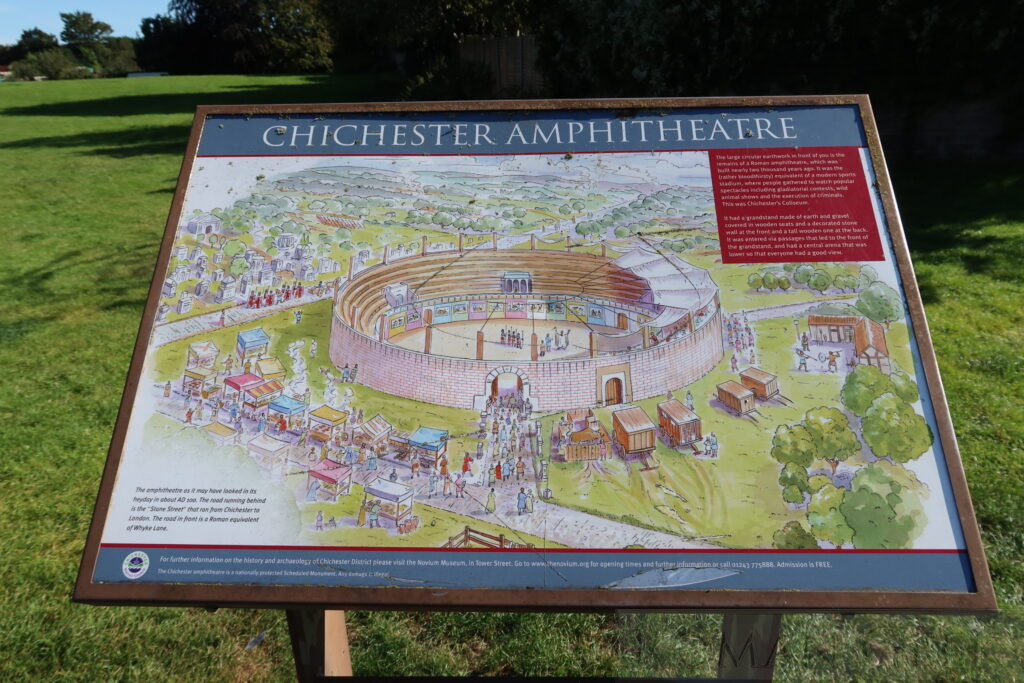
Amphitheatre Park, Whyke Lane, Chichester
Description: No visible structure exists of the Roman Amphitheatre in this Park, only an outline on the ground. The Amphitheatre was in operation between 90-200 CE, and consisted of a gravel bank with timber seating for at least 500 spectators.
9. Chichester Roman Walls
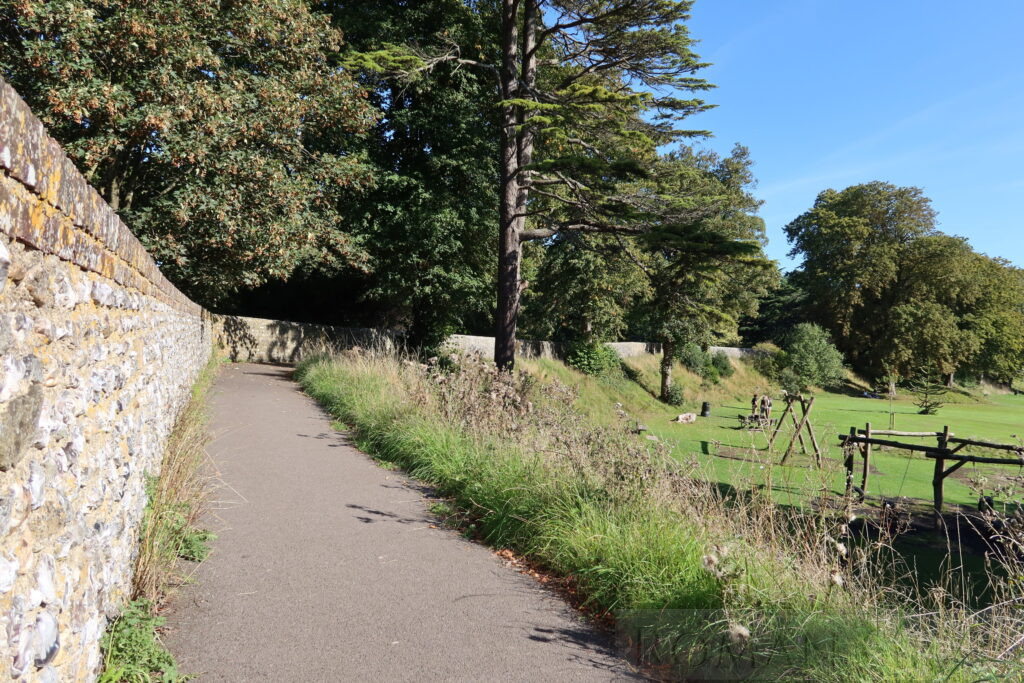
Chichester medieval city walls
Description: The Roman Walls are incorporated into the medieval walls which still form a partial circuit around Chichester. Today, the walls are a scheduled monument and visitors can walk along the wall circuit and towers for 1.5 miles (3km). The walls were built in the 3rd century CE and are flanked on the south side by the river Lavant. The walls and gates were rebuilt in the 9th century and again in 11th century at the same time that the castle and cathedral were added.
10. Priory Park
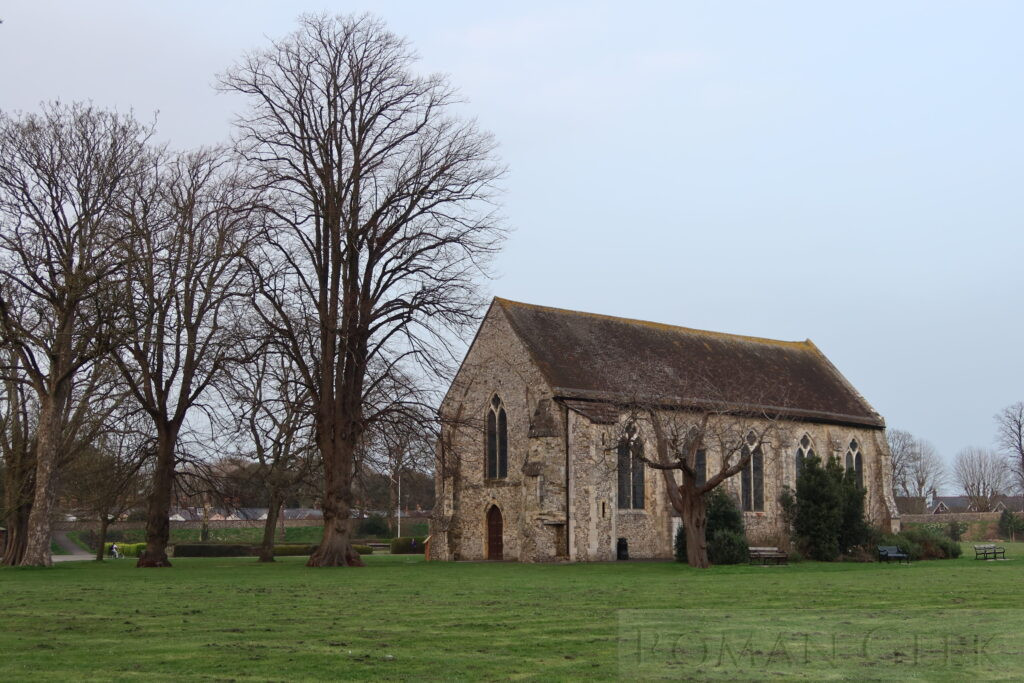
Priory Park, Chichester
Description: The park is located in the northeast quadrant of Chichester and is bounded by the medieval city walls. The park holds Chichester castle and the Guildhall, where the artist and painter William Blake was put on trial. Cricket Games have been held in the park since before 1852, and the great cricket player W.G. Grace once played here.
11. Chichester Festival Theatre
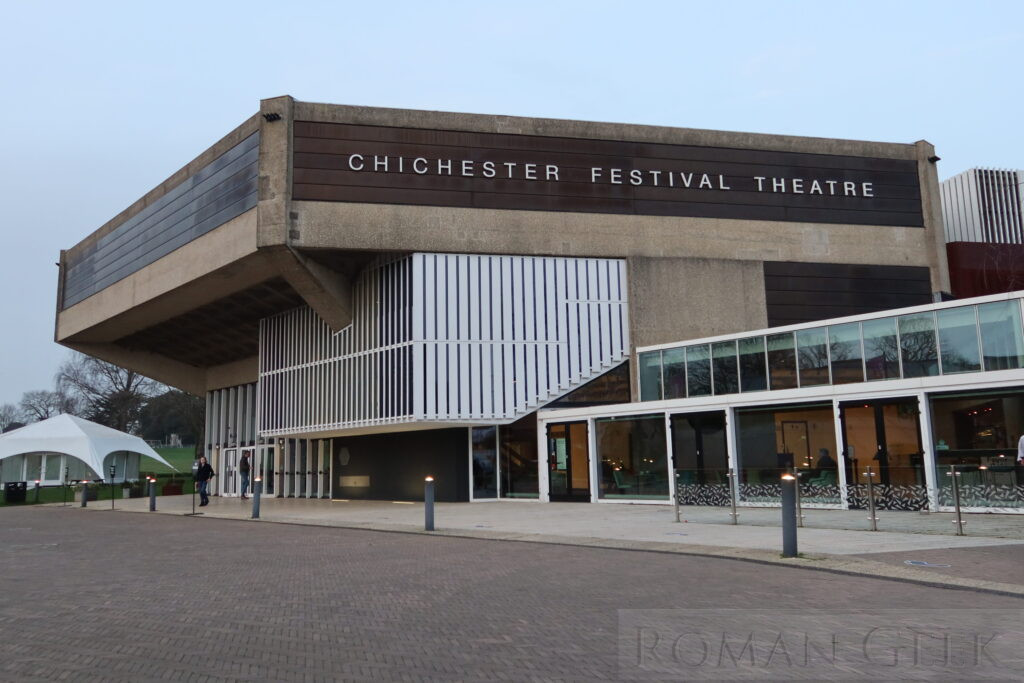
Chichester Festival Theatre
Description: Located in Oaklands Park, the Theatre is built in the shape of a hexagon or ‘In the round’, meaning every seat has a clear view of the stage. It has a seating capacity for 1,300 spectators to view performances. Plays, stand-up comedy, fringe theatre, live music and interactive shows are regularly performed between April to October.
12. Chichester Canal
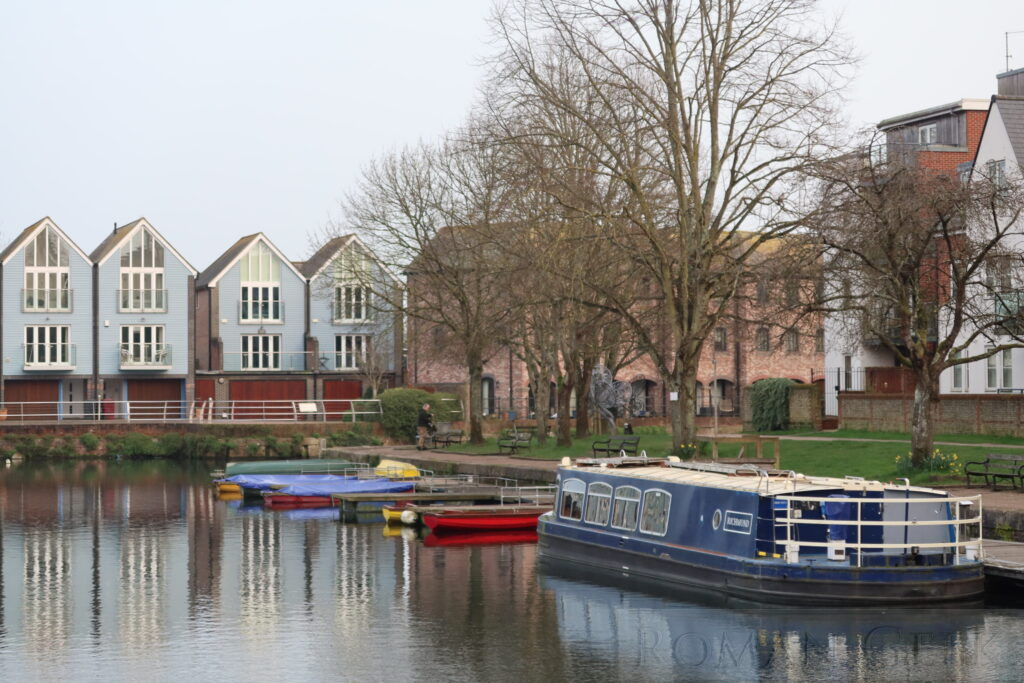
Chichester Canal and Basin
Description: During the Summer, there are boat trips from Chichester Wharf, which run for two miles along the navigable part of the canal to Donnington. The canal extends for another two miles to Saltern’s sea-lock (which is still operational) at Birdham on Chichester Harbour. During the digging of Chichester Basin in 1822, a large hoard of 3,000 Roman silver Denarii was found.
Travel Tips
- Best time to visit: Spring and autumn for mild weather and fewer tourists. The Novium Museum hosts Chichester Roman Week (May), Festival of Chichester (June to July), Goodwood Festival of Speed and Revival (July), Chichester Christmas Market (December).
- Photography hotspots: Chichester cathedral, Market Cross, North street and East street, Chichester city walls
- Nearby Attractions: Fishbourne Roman Palace, Dell Quay, Bignor Roman Villa, Weald and Downland Living Museum, Goodwood House, Goodwood Motor Circuit, Selsey Beach, Chichester Harbour, Bosham Quay
Visitor FAQ
- What is Chichester famous for?
- Canterbury is known for its medieval Cathedral and its medieval city walls built on Roman foundations. It was recorded on Ptolemy's Geographia as Noviomagus Reginorum in the second century and also in the Antonine Itinerary. The city and its cathedral are featured in paintings by J.M.W. Turner and John Constable and in music, notably in Leonard Bernstein’s Chichester Psalms.Wideacre and The Favored Child by Philippa Gregory, The Headhunters by Peter Lovesey, and the episode The Suns of Caresh in Doctor Who.
- Can I see Roman Ruins in Chichester?
- Yes, the Novium Museum holds Roman Baths and 150,000 Roman items. Also, the medieval city Walls are built on the original Roman Walls.
- How far is Selsey Bill from Chichester city centre?
- Approximately 25 minutes by car.
- Are there Guided Tours of Chichester historical sites?
- Yes, local guides offer walking tours highlighting the Cathedral, the Old Town and other venues. Contact Chichester Walking Tours.
- Is the Noviomagus Reginorum the same as Chichester?
- Yes, Chichester was founded around 43 CE and became the Roman city of Noviomagus Reginorum.
- Which Roman Province was Chichester located in?
- What was the role of Noviomagus Reginorum (Chichester) in the Roman Empire?
- Chichester served as a key economic hub and port with roads leading to the fortified harbours of Pevensey and Portchester defending the south coast. It was connected directly to London by Stane Street.
- What Roman Roads connected to Chichester?
- Stane Street started at the Roman port of Dell Quay, then linked Chichester with London via Bignor Roman Villa and Pulborough. Iter VII of the Antonine Itinerary shows an alternative route from Chichester to London via Silchester.
Quick Facts
- Modern Location: Chichester, England
- Category: Historic city centre, medieval cathedral, tourist destination
- Activities: Walking tours, Sightseeing, Photography
- Nearby Roman Site: Fishbourne Roman Palace, Bignor Roman Villa, Portchester
- Nearest Roman road: Stane Street
- Roman Province: Britannia
Nearby Attractions
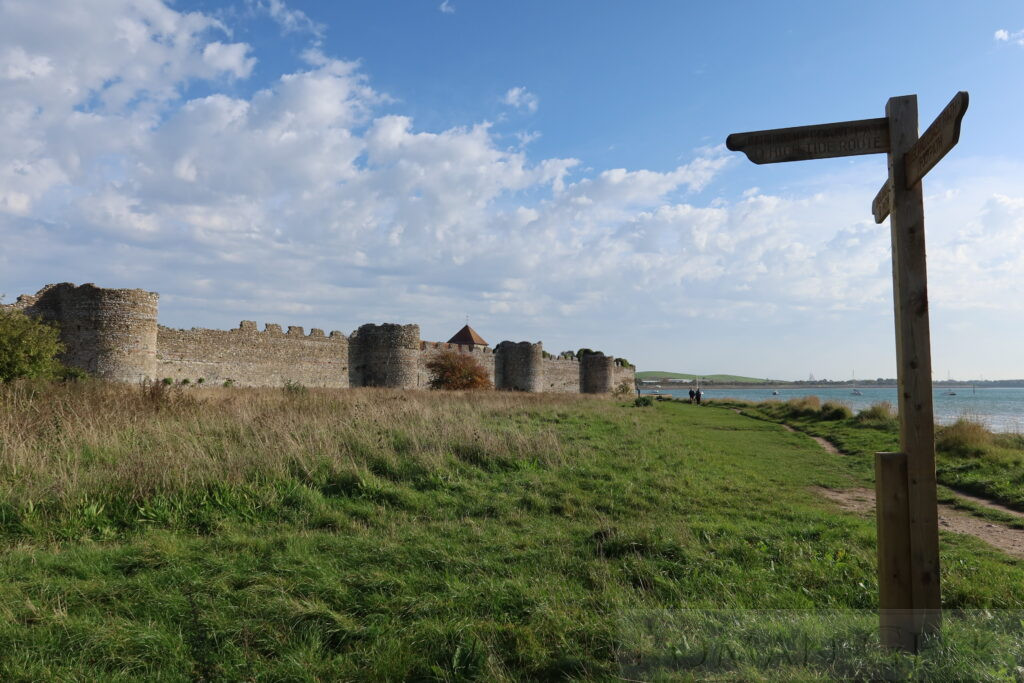
Portchester Castle
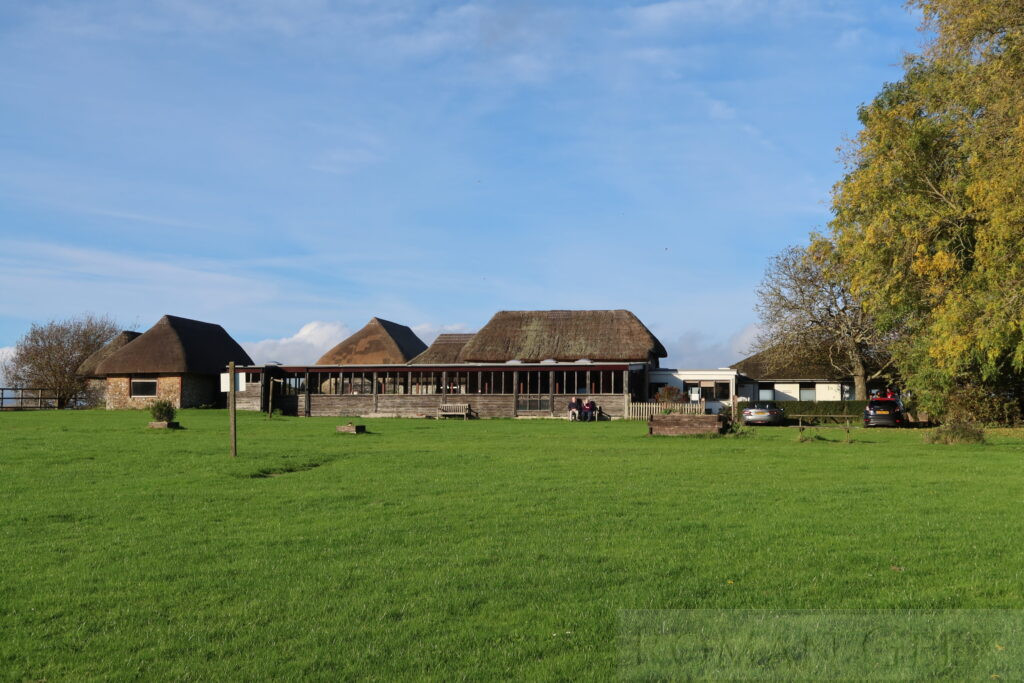
Bignor Roman Villa, West Sussex
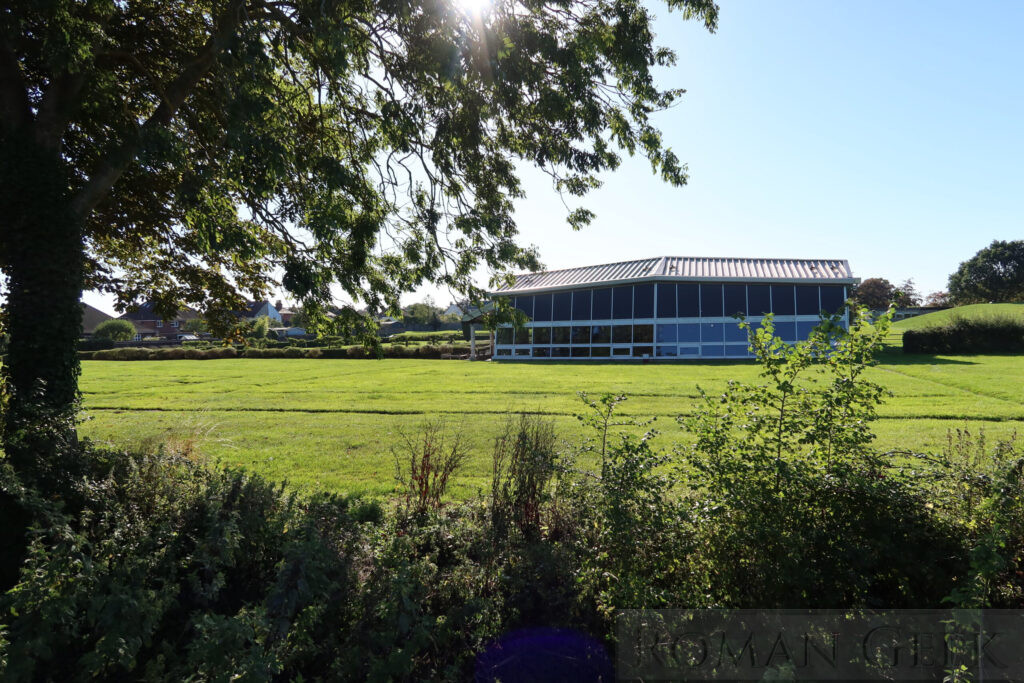
Fishbourne Roman Palace, Chichester
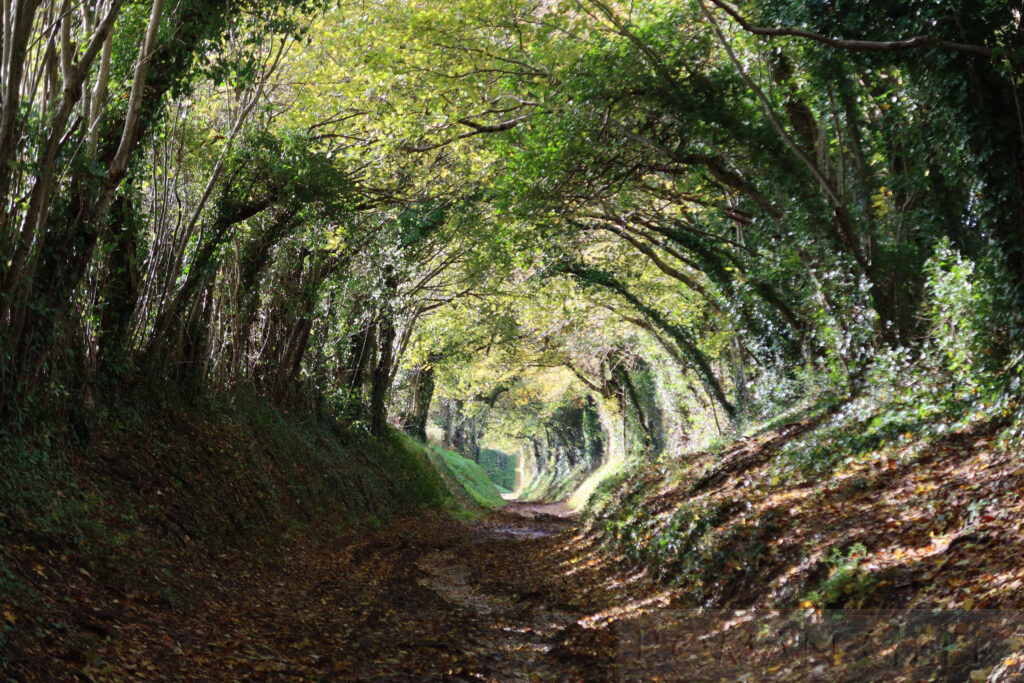
Halnaker Tunnel, Stane Street