
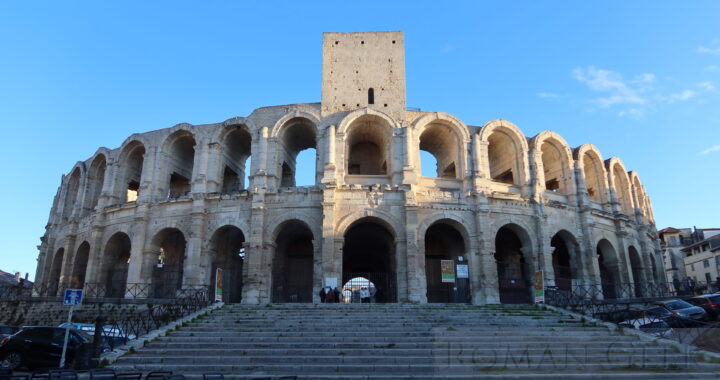
ARLES: The ‘Little Rome’ in the SOUTH of FRANCE
Overview
Arles is a cathedral city located on the river Rhone in the Provence-Alpes-Cotes d’Azur Region of southern France. Arles has the greatest concentration of Roman Monuments of any French city in France and consequently it is known as ‘Little Rome’. It was listed as a UNESCO World Heritage Site in 1981. Its most famous monument is the completely preserved Arles Roman Amphitheatre. Arles is the capital of the Camargue, the Wilderness in the Rhone delta. Arles became world famous when in 1888, Vincent van Gogh and Paul Gauguin started depicting scenes in Arles, while painting side by side. Van Gogh created 300 paintings in Arles.
Roman History
The city was known to the Romans as Arelate and was located in the Province of Gallia Narbonensis. It was a strategic city with a permanent pontoon bridge constructed from anchored vessels moored across the Rhone. In 123 BCE, a Roman Army under General Quintus Fabius Maximus defeated the Gallic tribes of the Arverni and Allobroges, and in 121 BCE the region became Gallia Transalpina. In 104 BCE, Marius arrived with 5 legions to save Italy from the threat of invasion. He made camp in the area beside Arles, then proceeded to construct the Fossa Mariana (no longer extant) between Arles and the sea, in order to get supplies past the turbulent Rhone delta. He challenged and completely defeated the Teutones and Ambrones at the Battle of Aquae Sextiae in 103 BCE. Later, during the Great Roman Civil War (49-45 BCE) Julius Caesar awarded Arles the territories of Marseille after it had been defeated.
In the Late Roman Empire (284-476), Arles was used as a base for forward military operations by Emperors and Usurpers. Emperor Constantine I (307-337) built the Baths, and his son, Constantine II (337-340) was born in Arles.
Arles Walking Tour
- Your geolocation will appear as a blue icon that moves on the map as you walk.
- You may start anywhere on the map and just follow the blue line to the next point of interest.
Things to Do and Places to See in Arles
1. Cavalry Gate
Description: The two round towers standing at the northern entrance to the old city centre, are all that remains today of the original city Gate. Originally constructed in the 13th century, the Porte de la Cavalrie (Cavalry Gate) was rebuilt in 1588, then partially destroyed during the French Revolution of 1789-99, and rebuilt again in 1877. There was a drawbridge over the Robine du Roy, which emptied into the Rhone. The Roman Pontoon bridge crossed the Rhone adjacent to this gate.
2. Arles Roman Amphitheatre
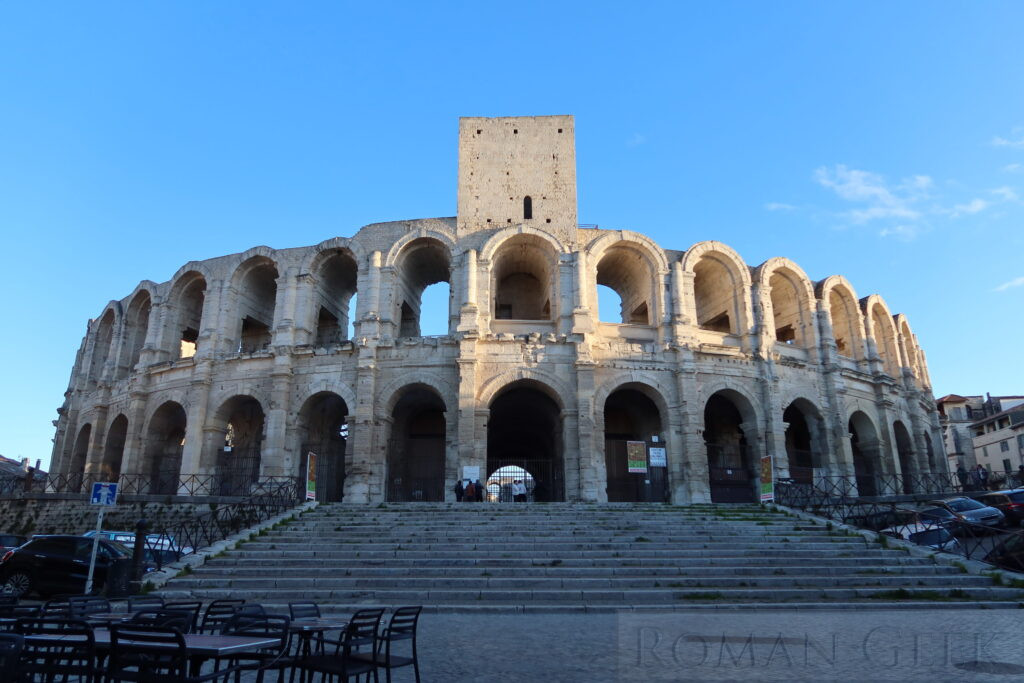
Arles Roman Amphitheatre
Description: Built in 90 CE and inspired by the Colosseum in Rome, the Arles held over 20,000 spectators for Gladiator combats. It is still in operation today drawing crowds for bullfighting during the Feria d’Arles, as well as plays and concerts in the summer. In 1981, the Amphitheatre was listed as a UNESCO World Heritage Site. The reason it is so well preserved today, is that it functioned as a fortified city within a city, protecting 200 houses right up until 1800 CE, after which the houses were demolished.
3. Musee Reattu
Description: The Reattu Museum is an Art Museum in Arles which holds 800 paintings and drawings by Jacques Reattu, the local Arles-born painter. Three rooms are dedicated to the 57 drawings donated by Pablo Piccasso. There are contemporary sculptures and modern paintings by other famous artists, along with a collection of 4,000 photographs.
4. Baths of Constantine (307-377)
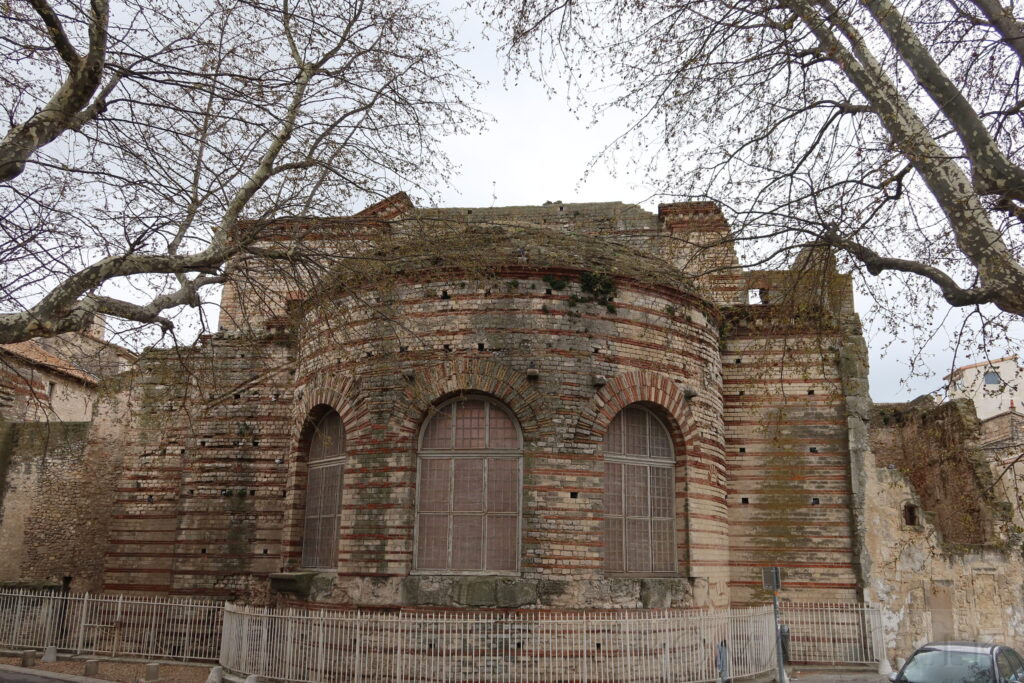
Baths of Constantine, Arles
Description: Built in the 4th century CE, the Baths of Constantine once formed part of an Imperial palace known as Constantine Palace. The Baths are thought to be one of three sets of public baths in Roman Arles. Today, visitors can explore the Caldarium (warm bath), part of the Hypocaust (underfloor heating system) and the Tepidarium (warm air room), revealing the advanced engineering behind the important social activity of Roman bathing. The Baths of Constantine have been listed as a UNESCO World Heritage Site since 1981.
5. Vincent van Gogh Foundation
Description: The Foundation is an Art Museum dedicated to the work and legacy of Vincent van Gogh. More than ninety artists have contributed to this homage to Vincent van Gogh. The museum also holds a collection of Contemporary Art which it actively promotes.
6. Place du Forum
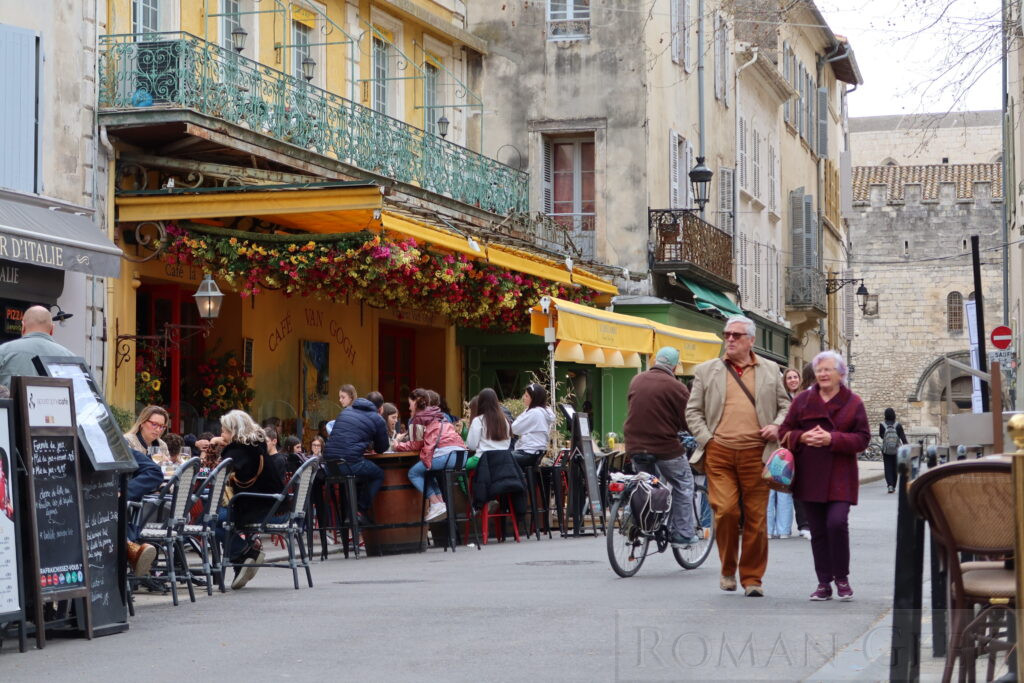
Cafe van Gogh, Arles
Description: The Forum Square was once part of the Roman Forum, the heart of political and commercial activity in Roman Arles. Today, the square is just as dynamic, being surrounded by cafes, bistros, restaurants and hotels. The most famous cafe is Cafe van Gogh, which was depicted by the Impressionist artist Vincent van Gogh in his 1988 oil painting ‘Cafe Terrace at Night’. Embedded in the corner of the Hotel Nord-Pinus are the remains of a Roman Temple, consisting of two Corinthian columns and a fragment of the pediment. Beneath the Place du Forum is an underground vaulted cave system called the Cryptoporticus, which served to support the Roman Forum and which can be accessed via the Hotel de Ville. In the centre of the square is a bronze statue of the poet Frederic Mistral (1830-1914), who revived the Occitane language and Provencal culture.
7. Arles Roman Theatre (c.12 BCE)
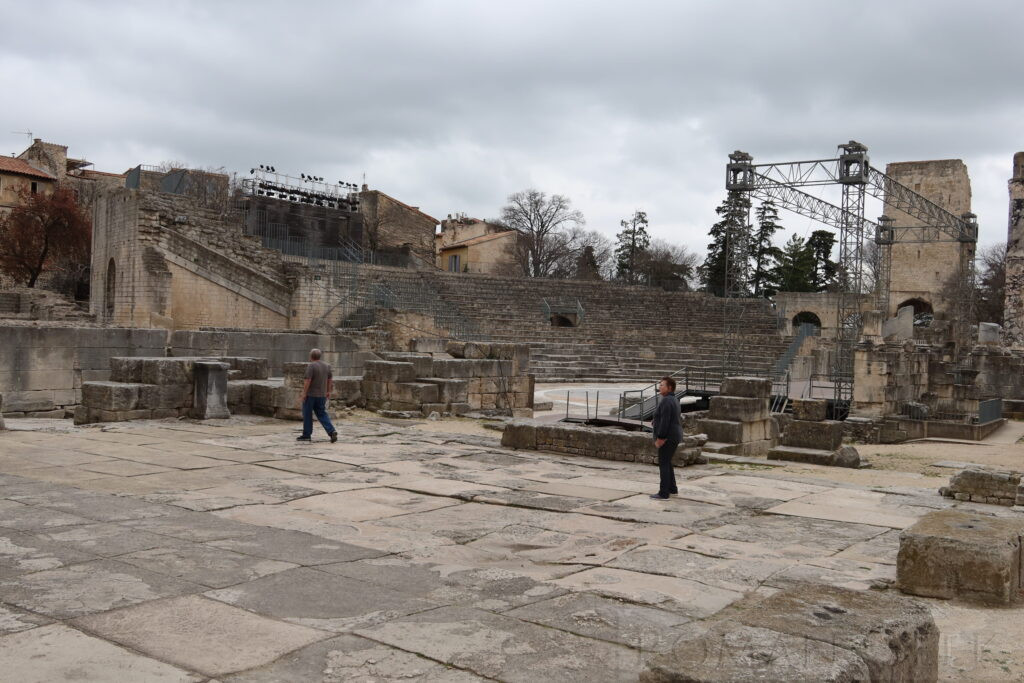
Arles Roman Theatre
Description: Built during the 1st century BCE, the Theatre had 33 rows of steps that could seat 8,000 spectators. Unfortunately, because it was used as a medieval quarry, only the stage area, orchestra section, seating rows and two columns have survived to today. The statue of the ‘Venus of Arles’ was found the Theatre and is now in display in the Louvre Museum in Paris. The Theatre has also been listed as a UNESCO World Heritage Site since 1981 and can be visited. During the Summer there are concerts and events, especially during the ‘Rencontre d’Arles’, an annual photography festival held in multiple venues between July and October.
8. Cathedral Saint Trophime d’Arles
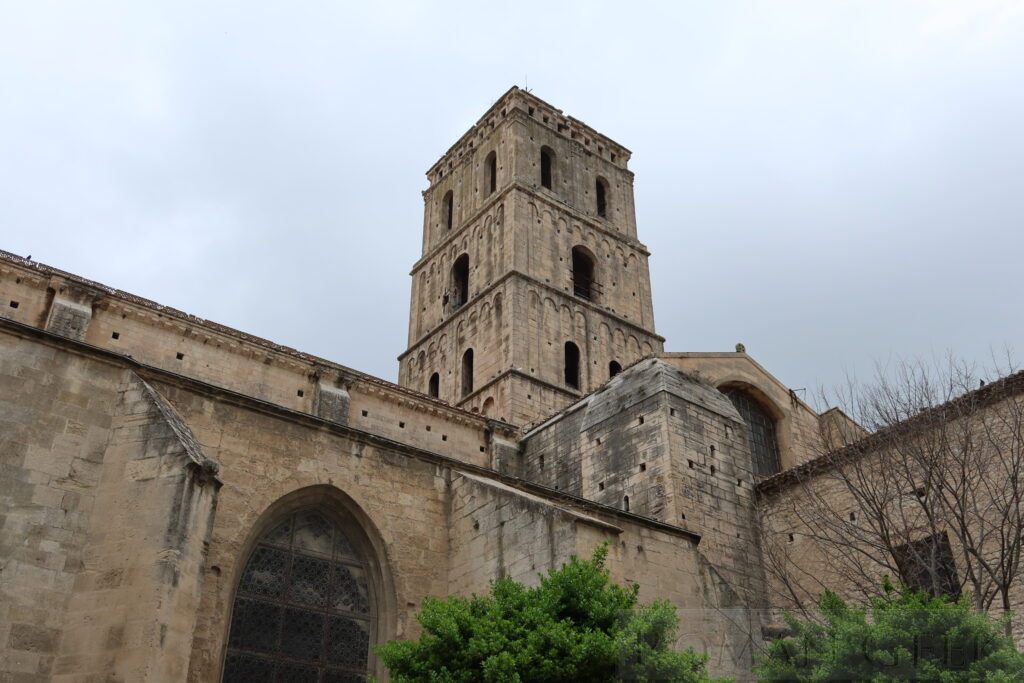
Cathedral of St. Trophime, Arles
Description: The Church of Saint Trophime is a Romanesque masterpiece built between the 12th-15th centuries. It is famed for its sculpted portal depicting the Last Judgement and for being a key stop along the Pilgrimage route to Santiago de Compostela. Originally, it was built as the cathedral of Arles, but in 1801 the Bishopric was moved to Aix-en-Provence and Saint Trophime was reclassified as a Church.
9. Hotel de Ville and Cryptoporticus
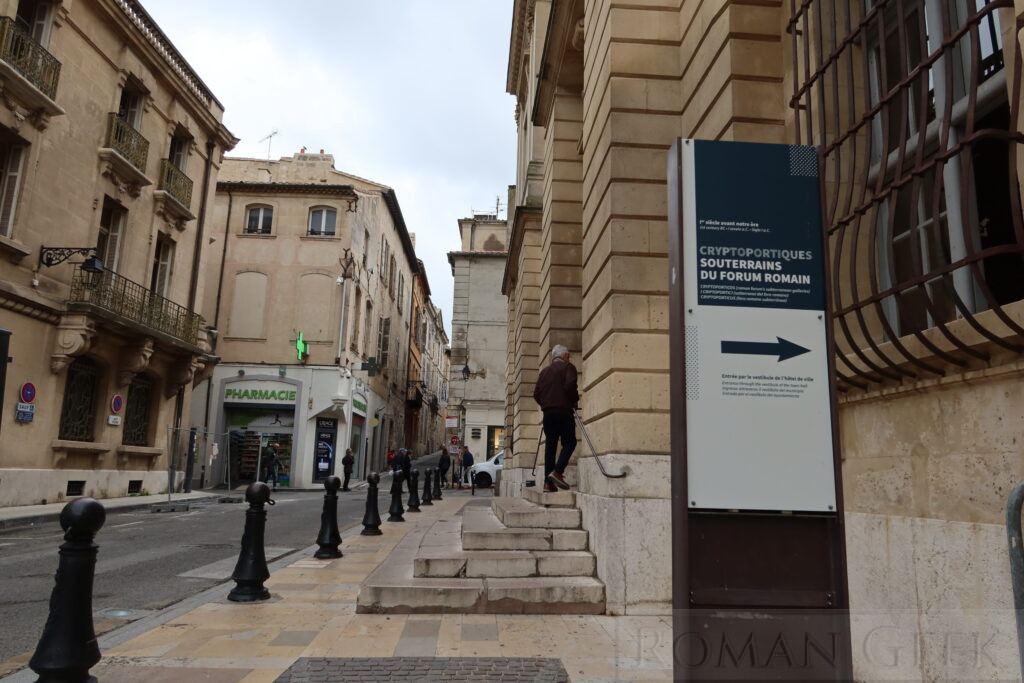
The entrance to the Cryptoporticus in the Hotel de Ville, Arles
Description: The Town Hall was built in the 17th century and its facade exemplifies Provencal Classicism. The Cryptoporticus is accessed inside the Hotel, and consists of an underground vaulted cave system located beneath the Place de la Republique, which served to support the Forum.
10. Church of Sainte-Anne d’Arles
Description: Originally built in the 12th century as the Church of Notre-Dame-la-Principale, the Church was rebuilt in 1630 in the Gothic style and renamed Saint Anne’s Church. Today, Saint Anne’s Church is a Museum, best known as a temporary exhibition space, hosting alternating displays of art or archeology.
11. Obelisk
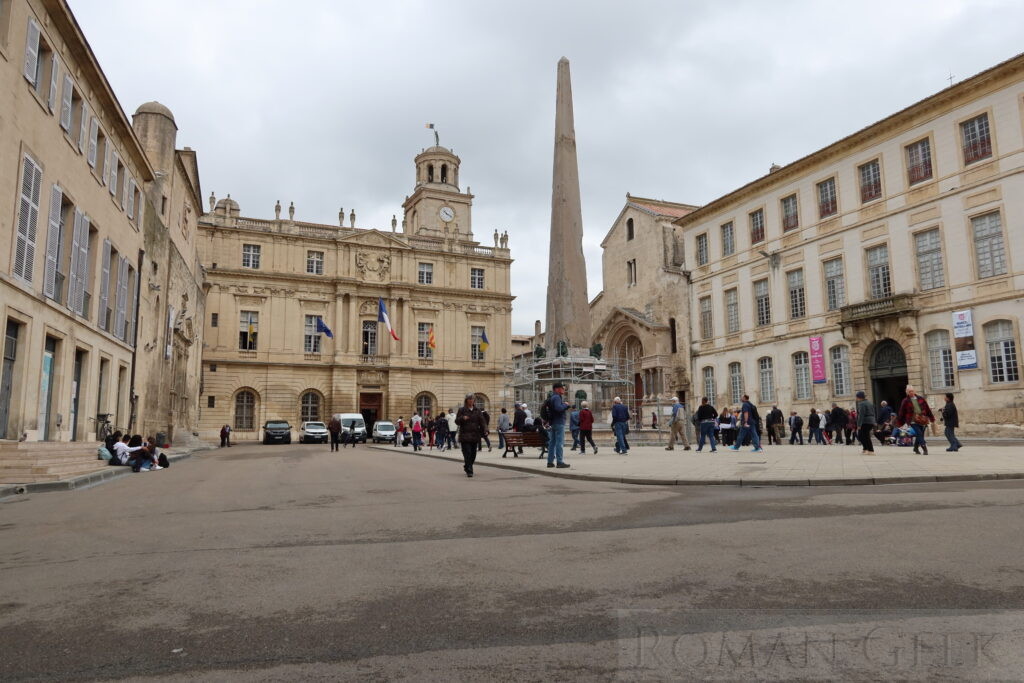
Arles Roman Obelisk
Description: The Obelisk is located in front of the Hotel de Ville in the Place de la Republique. It was originally installed as the Spina in the Roman Circus by Constantine II (317-340). The granite came from Asia Minor but bears no inscription.
12. Cloister Saint Trophime
Description: The Cloister of Saint Trophime, built between the 12-14th centuries, is a beautiful example of Romanesque and Early Gothic architecture in southern France. It adjoins the Church of Saint Trophime, which was once the cathedral of Nimes.
13. Place de la Republique
Description: The Square holds several monuments as well as being a venue for open-air markets and a stage for local festivals, such as the ‘Queen of Arles’. In this festival, held every few years, a young woman is chosen to represent the traditions and customs of the region, whilst being cheered and applauded by the crowds.
Rue de la Republique, leading off the square, is an important commercial and cultural street which is lined with shops, cafes, bookshops and boutiques.
14. Museon Arlaten
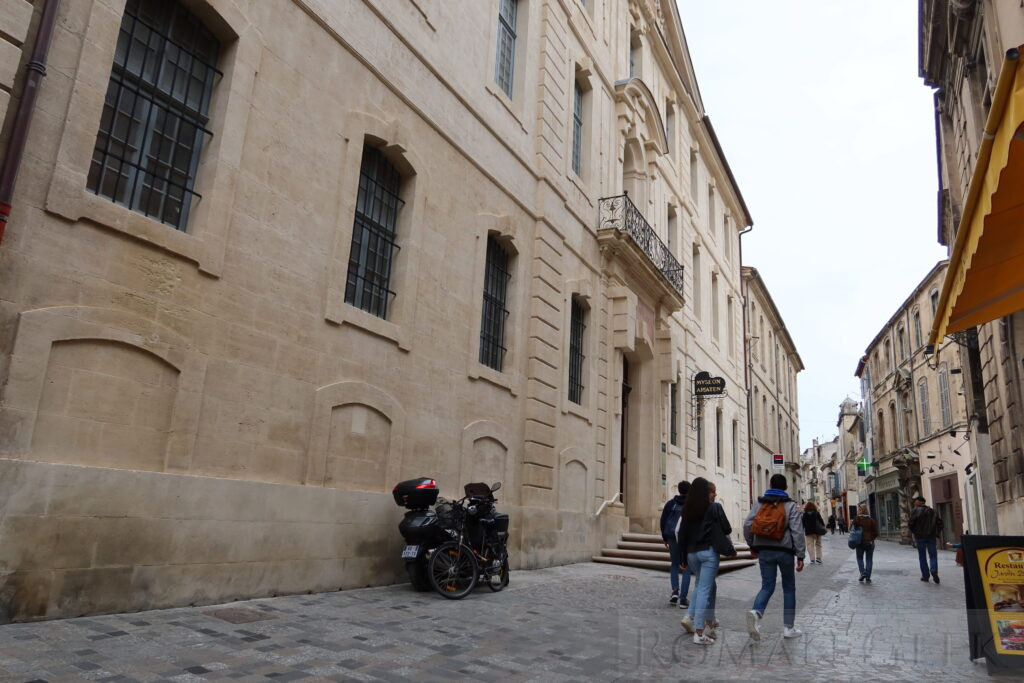
Museon Arlaten, Arles
Description: Located at No. 29 Rue de la Republique, Museon Arlaten holds a collection of Provencal folk art, displaying furniture, costumes, ceramics, tools and farming implements. The ruins of a Roman Exedra that once stood in the Roman Forum stand in the central courtyard of the Museum.
15. Espace Van Gogh
Description: This is a free-to-enter cultural space that occupies the buildings and gardens of the former Hotel-Dieu, the hospital where the artist Vincent van Gogh was treated after injuring his ear in December 1888. During his stay, he was inspired to paint the courtyard gardens, which he immortalised in several famous paintings, such as ‘The Garden of the Hospital in Arles’.
16. Arles Market
Description: This is a very large open street market held bi-weekly on Saturdays and Wednesdays between 0800-1230. It extends for up to two kilometres and sells fresh produce, fruit, meat, clothing and local crafts.
17. The Gate of Augustus and Roman City Walls
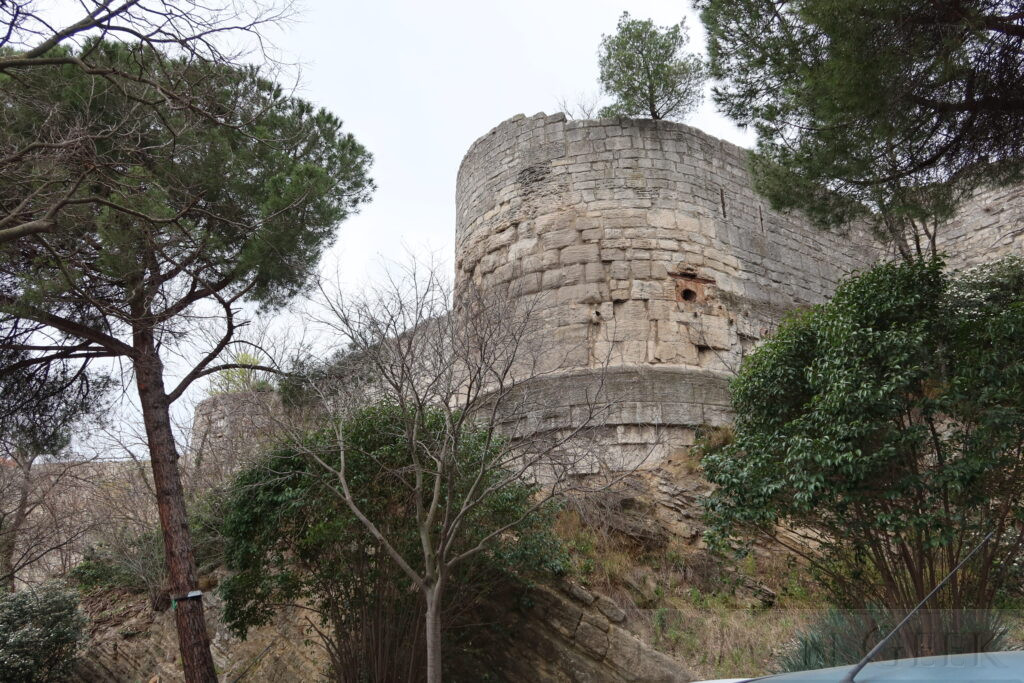
Porte d’Auguste, Arles
Description: The twin semi-circular bastions of the Gate of Augustus are located between the Tour des Mourgues and the Church of Notre-Dame-de-la-Major and were rebuilt during the Medieval period. When the Boulevard Emile Combes was excavated during the 18th century, it left the Roman Wall and Gate suspended high above it. The Roman Walls are still in situ and can be seen running beside the Boulevard.
18. LUMA Arles
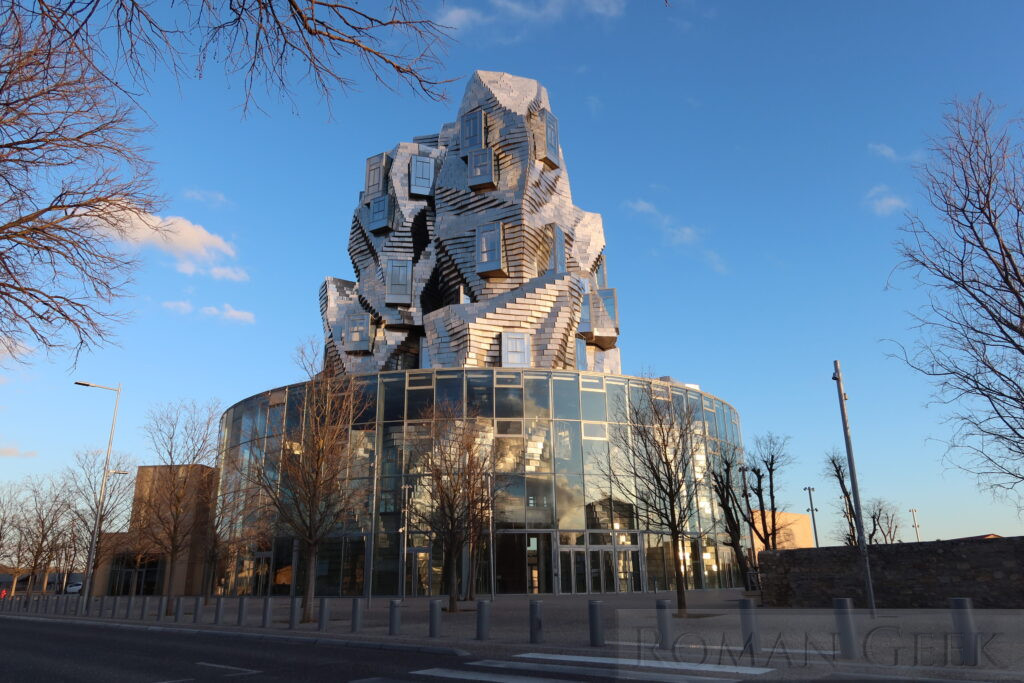
Luma Arles Art Centre Tower
Description: The LUMA Arles is an Arts Centre created by the LUMA Foundation, which also holds art exhibitions and events. It has a landmark tower created by the architect Frank Gehry, who used 11,000 angled reflective stainless steel panels on the outside of the building.
19. Les Alyscamps Necropolis
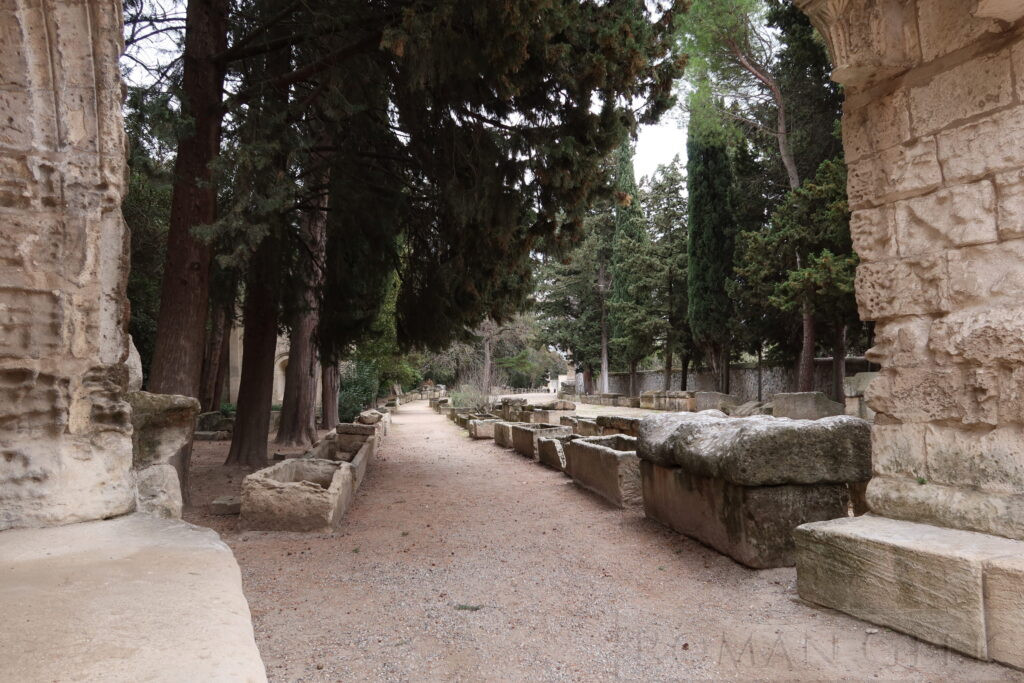
Les Alyscamps, Arles
Description: This Roman Cemetery still has hundreds of Roman Sarcophagii limning the old Roman Road out of Arles. It is adjacent to the more recent Canal de Craponne which opened in 1585. The name is derived from the Latin Elisii Campi which translates into French as Champs Elysees and into English as Elysian Fields. Les Alyscamps has been listed as a UNESCO World Heritage Site since 1981. in 1888, Vincent van Gogh and Paul Gauguin painted the canal and the tombs of the Alyscamps during their expeditions when they painted side by side.
Historical Insight: After Saint Genesius was martyred in Arles in 303 CE and buried in the Alyscamps along with Saint Trophimus, the first Bishop of Arles, the area became a highly desirable place to be buried, and soon the tombs multiplied. By the 4th century there were already several thousand tombs, requiring the sarcophagii to be stacked three layers deep. Burial in the Alyscamps became so attractive, that bodies were shipped there from all over Europe, enriching the Rhone Boatmen who transported the coffins to Arles. The best examples of these sarcophagii are on display in the Arles Museum of Antiquities.
20. Tour de l’Ecorchoir
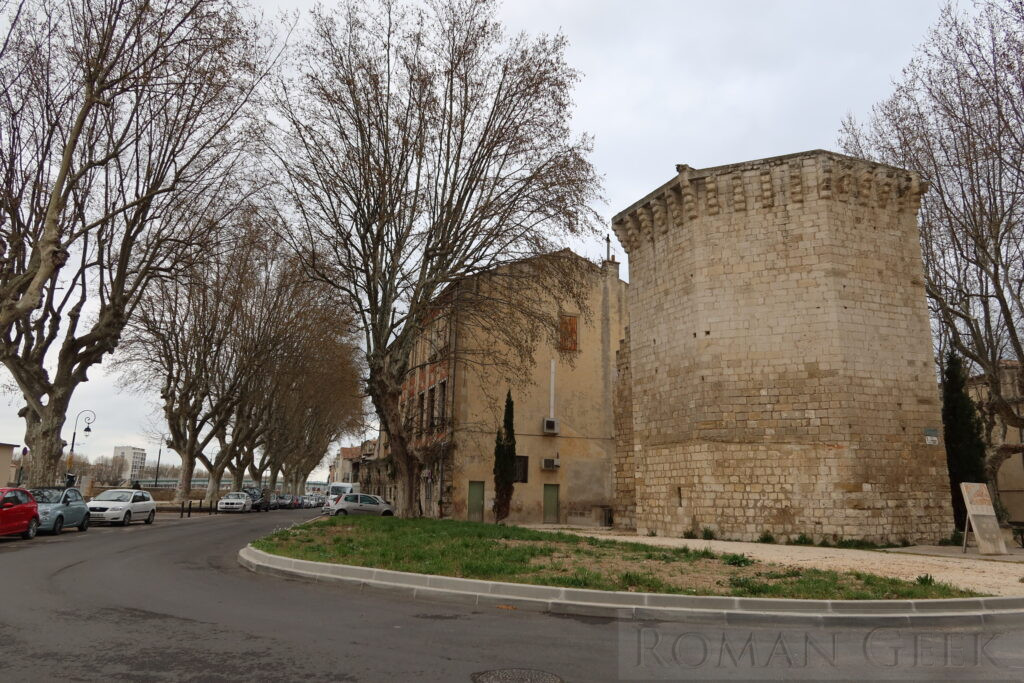
Tour de l’Ecorchoir, Arles
Description: Located on the Rhone riverbank at the La Roquette quayside, this 52 foot (16m) high defensive watchtower dates from 1372, and was once part of the medieval walls of Arles. It can be visited inside. Behind the tower, is the La Roquette neighbourhood, a maze of narrow streets filled with bars and restaurants, creating a very convivial atmosphere.
21. Roman Circus
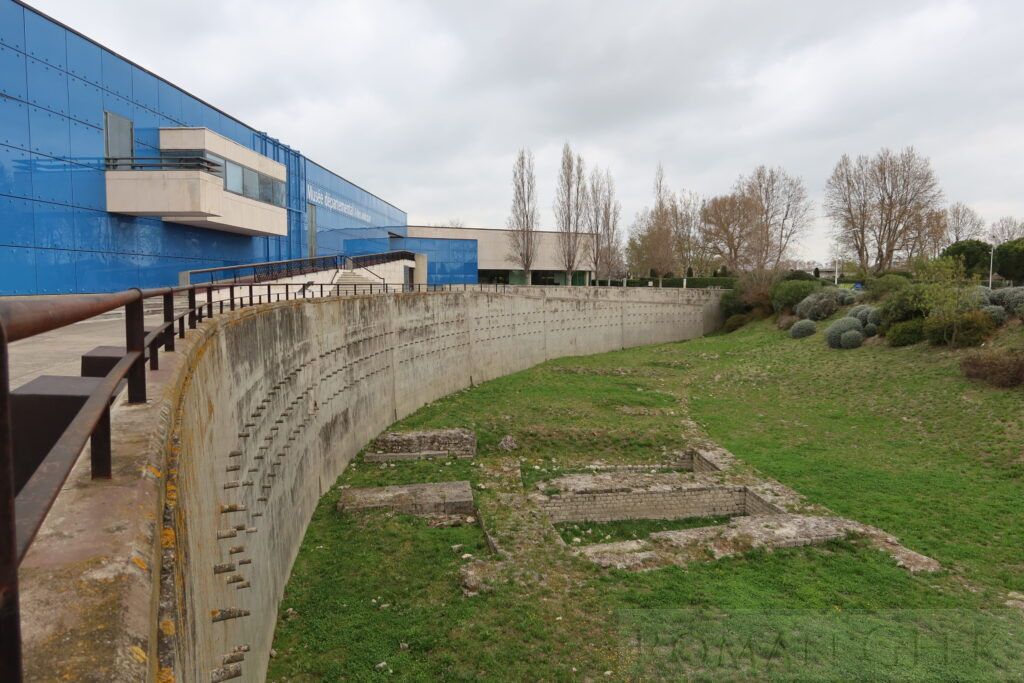
Roman Circus (footings), Arles
Description: In front of the Arles Museum of Antiquities is a small vestige of the Roman Circus which could seat 20,000 spectators who came to watch the Roman Chariot Races.
22. Arles Museum of Antiquities
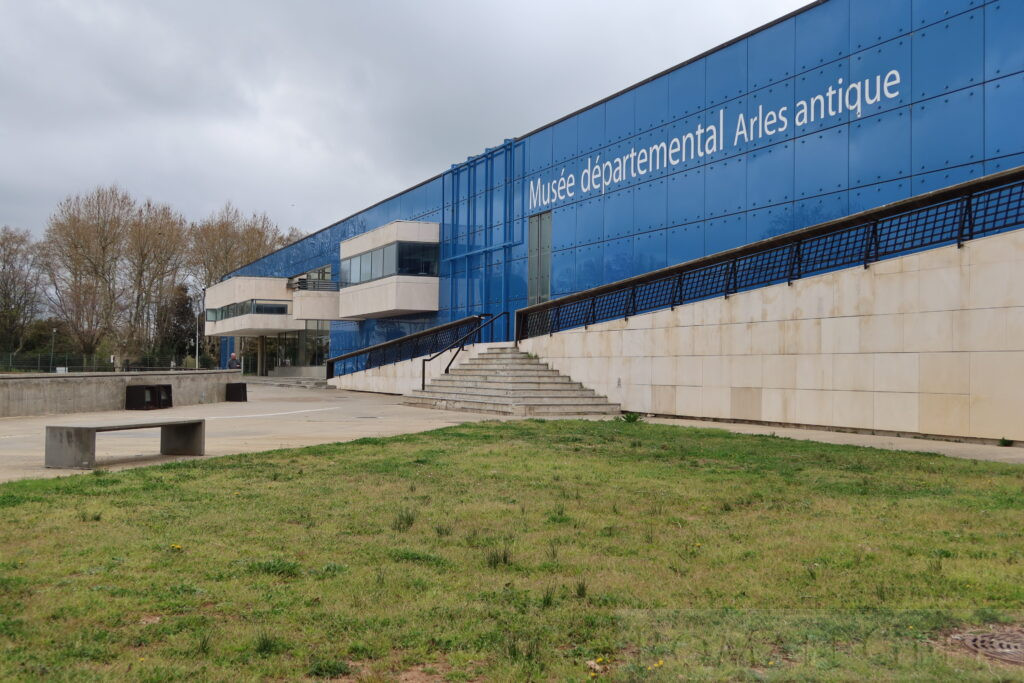
Arles Museum of Antiquities
Description: This museum is located at the Presqu’ile du Cirque Romain. The Museum holds the Roman Artefacts found in the area, including stone sarcophagii from the Alyscamps whose inscriptions and carvings are intact, along with rare Roman Ingots of Tin, Copper and Lead.
Historic Find: The museum has on display a very rare 1st century flat bottomed Rhone river cargo boat, which was found buried under the mud of the riverbank at Arles. It still had its steering oar, towing mast, pulleys, anchors and a cargo of stones. It is 102 feet (31m) long, 10 feet (3m) wide and has a depth of 3 feet (1m). Even the towing rope was still threaded through the pointed bow section.
Travel Tips
- Best time to visit: Spring and autumn for mild weather and fewer tourists.
- Photography hotspots: Arles Amphitheatre, Cafe van Gogh, Rhone waterfront, Cavalry Gate, Place du Forum, Place de la Republique.
- Nearby Attractions: Camargue, Flamingo Park, Aigues Mortes
Visitor FAQ
- What is Arles famous for?
- Its Unesco Listed Roman Monuments including the well-preserved Roman Amphitheatre, the association with the Impressionist painter Vincent van Gogh who painted over 300 works here, a four month photography festival ‘Rencontres d’Arles’, a 10th century cathedral and Bullfighting.
- Can I see Roman Ruins in Arles?
- Yes, Arles has the most Roman monuments of any city in France.
- How far is the Flamingo Park from Arles city centre?
- The Parc Ornithologique du Pont de Gau, located nearby in the Camargue, is approximately 30 minutes by car.
- Are there Guided Tours of Arles historical sites?
- Yes, local guides offer walking tours highlighting the Roman Amphitheatre, the Medieval Cathedral, the Old Town and other venues.
- Is Arelate the same as Arles?
- Yes, Arelate is the Roman name for Arles, occupied by the Romans in 123 BCE.
- Which Roman Province was Arles located in?
- What was the role of Arelate (Arles) in the Roman Empire?
- Arelate controlled a strategic crossing over the Rhone with a permanent pontoon bridge constructed from anchored vessels. During the Late Roman Empire (284-476), the city was used as a base for forward military operations by Emperors and Usurpers.
- Which Roman Roads connected to Arles?
- Via Domitia: A loop from this road passed across the Rhone at Arles to reach Nimes.
Quick Facts
- Modern Location: Arles, France
- Category: Historic city centre, medieval cathedral, Roman Amphitheatre, tourist destination
- Activities: Walking tours, sightseeing, photography
- Nearby Roman Site: Barbegal Roman Aqueduct, Glanum Roman City,
- Nearest Roman road: Via Domitia
- Roman Province: Gallia Narbonensis
Nearby Attractions
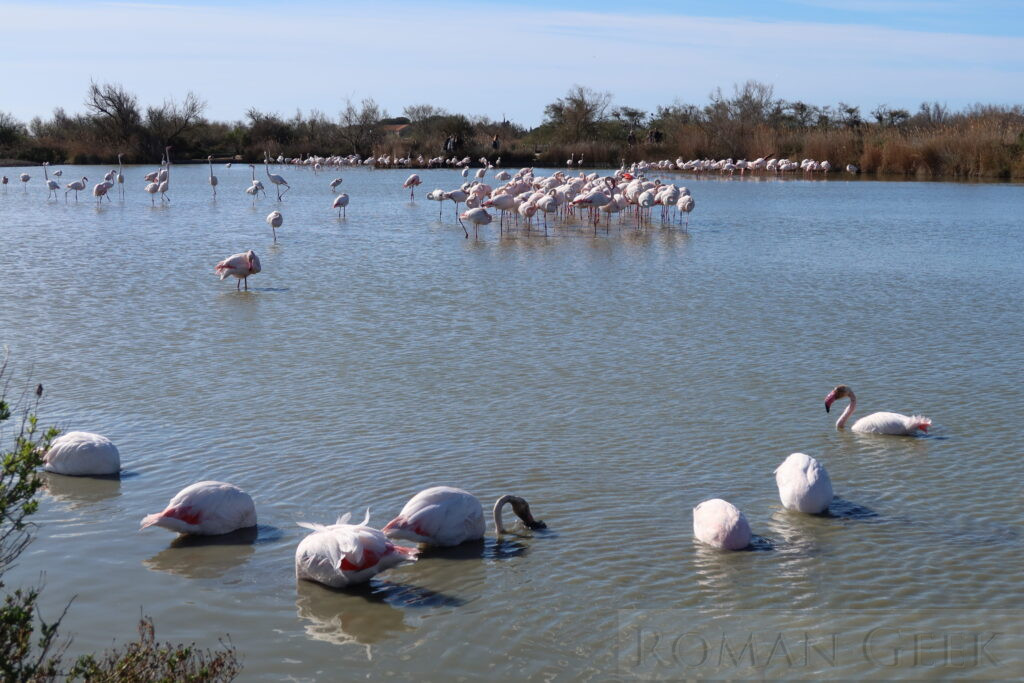
Parc Ornithologique du Pont de Gau, Camargue
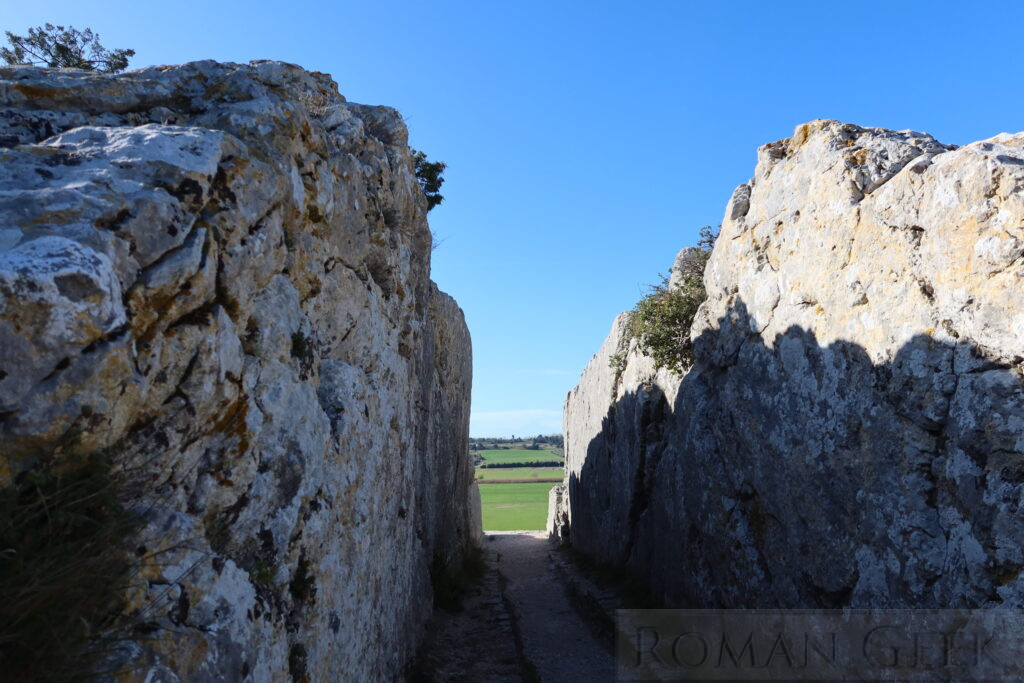
Barbegal Roman Aqueduct, Arles
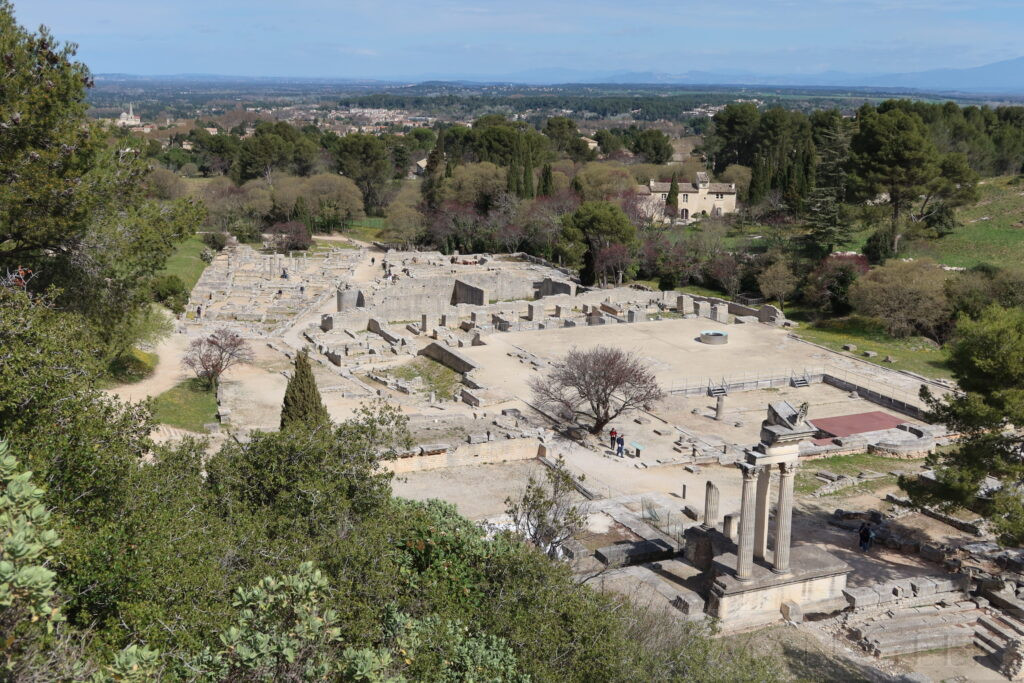
Glanum Roman City
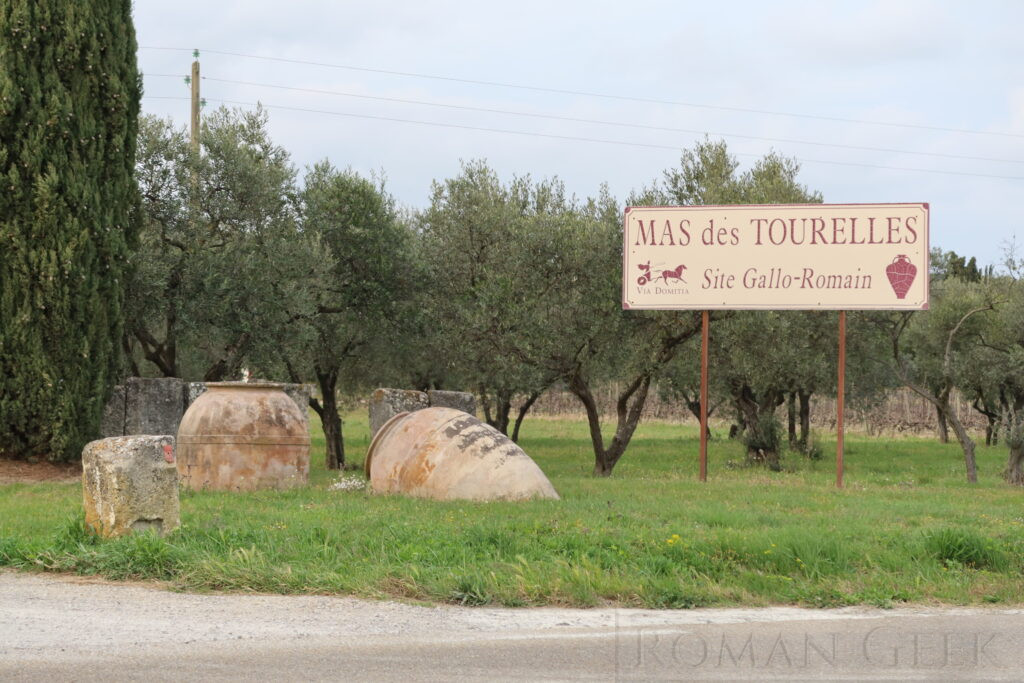
Mas des Tourelles Roman Vineyard