
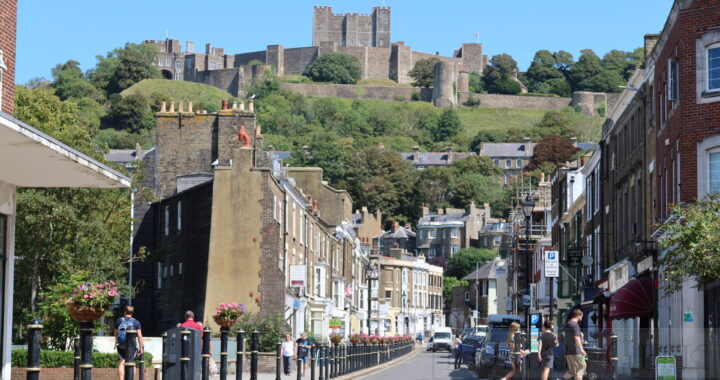
Dover: A busy Port in Kent with a Medieval Castle
Overview
Dover is a major Port in Kent with daily ferry services to the Continent. It is noted for the White Cliffs of Dover and its Norman castle on top, defending the Strait of Dover. At 22 miles (35 km), the Strait is the shortest sea crossing between England and the continent. Today, Dover is Britain’s busiest international ferry port.
History
Dover was the location for one of the Roman Saxon Shore Forts called Dubris, located below the cliffs on the river Dour. The chain of Roman naval forts in southeastern England were operated by the Classis Britannica, whose main function was to defend the estuaries and coastline from attacks by seaborne invaders from Germany.
In the 1180’s, Dover’s strategic importance guarding the Straits of Dover was reinforced by the completion of Dover castle in 1189, which overlooks the Strait. It continued to have strategic importance until the end of WWII.
Dover Walking Tour
- Your geolocation will appear as a blue dot that moves on the map as you walk.
- You may start anywhere on the map and just follow the blue line to the next point of interest.
Things to Do and Sights to see in Dover
1. Dover Museum and Bronze Age Boat Gallery
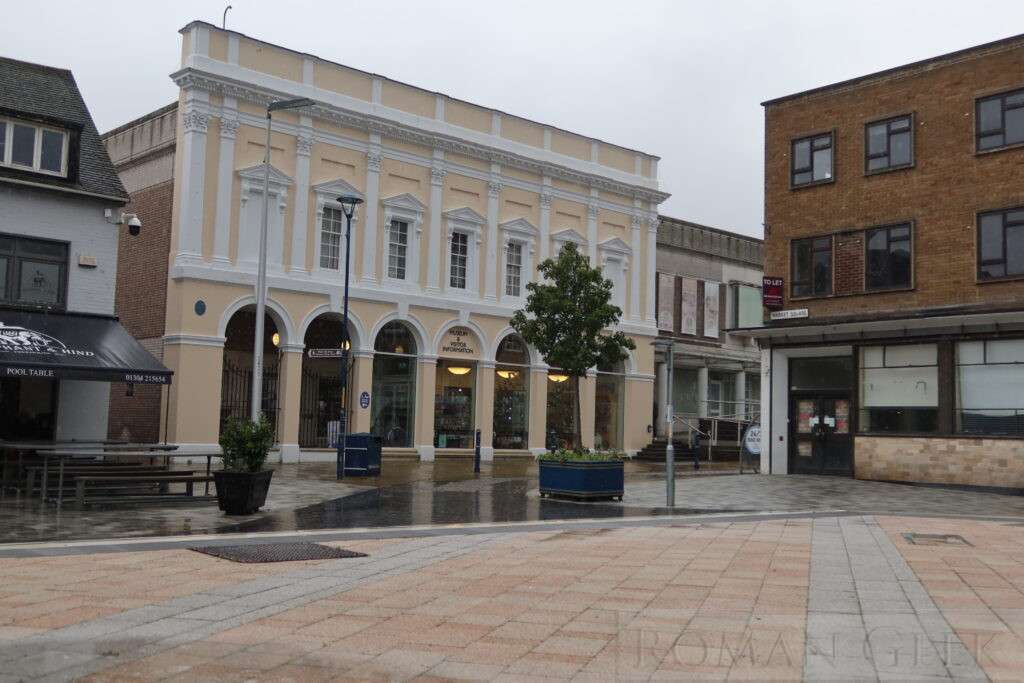
Dover Museum
Description: The Dover Museum is located in Market Square, Dover. On the ground floor, the Museum holds a Diorama of the arrival of Claudius at Richborough in 43 CE along with various Roman Artefacts. On the second floor is the Dover Bronze Age Boat Gallery and the Bronze Age Langdon Bay Hoard. Nearby, the Dover Roman Fort (3rd century CE) guarded the Strait of Dover. The few visible Ruins are in the Dover Discovery Centre adjacent to the Dover Museum.
2. Dover Castle
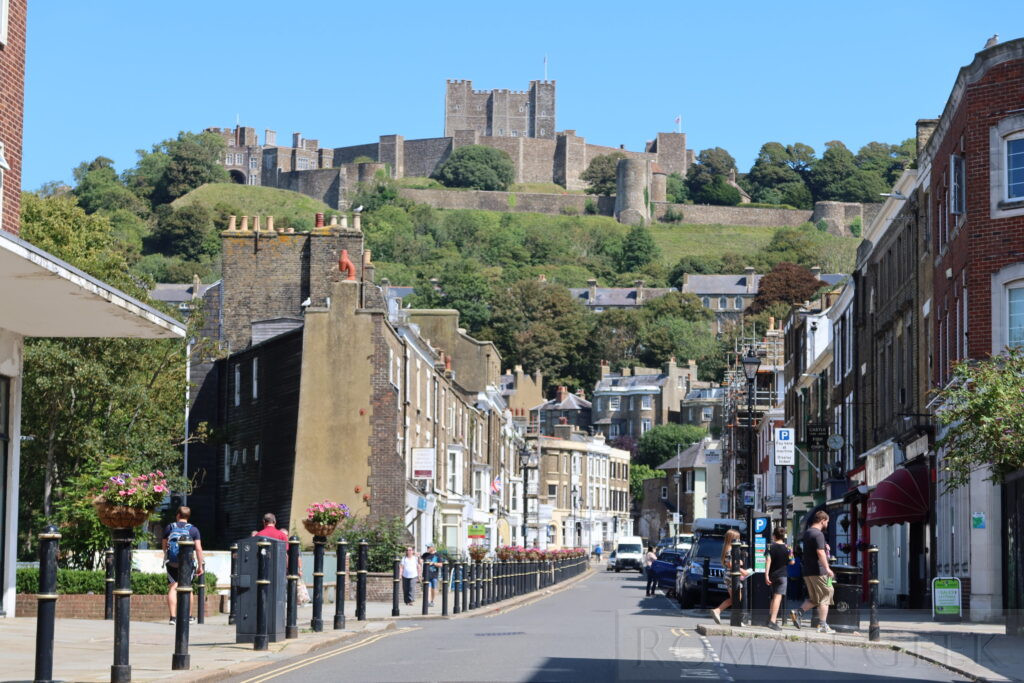
Dover Castle
Description: Built between 1179-1189 by Henry II, its strategic location has been described as the ‘Key to England’, and despite attacks over the centuries it never succumbed. It consists of the great Tower, a massive stone Keep surrounded by concentric curtain walls. A maze of tunnels lies underneath the castle. It sits on top of an even older Iron Age Fort. The Roman Fort was built below on the river Dour and was completed around 130 CE for the Roman fleet, the Classis Britannica.
3. Dover Roman Lighthouse
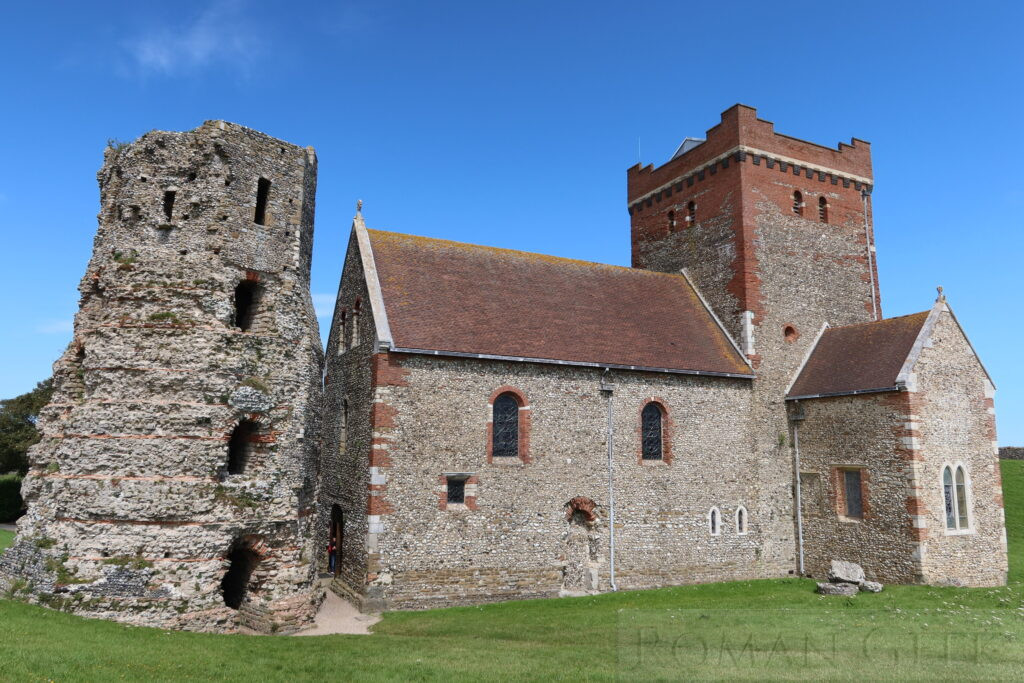
Dover Roman Lighthouse
Description: Dover Roman Lighthouse is located in the grounds of Dover Castle and is close to its original height at 80 feet (24m). There was another Roman Lighthouse positioned on the Western Heights. The Lighthouse is thought to have been intervisible with Boulogne Roman Lighthouse located in France, 33 miles (53 km) away.
4. Bleriot Memorial
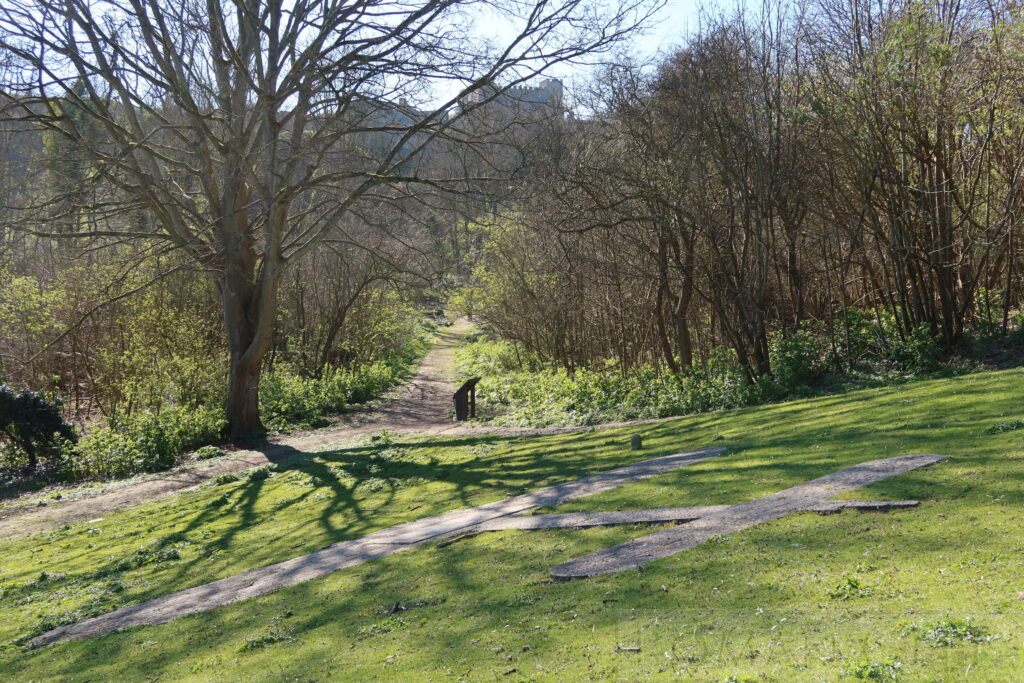
Louis Bleriot Memorial Dover
Description: The Memorial is a granite outline of the aircraft marking the exact spot on which Louis Blériot landed at the end of his historic first flight across the Channel from France on July 25th, 1909. He took 32 minutes. It is only accessible by a footpath which starts in Upper Road.
5. Strait of Dover View
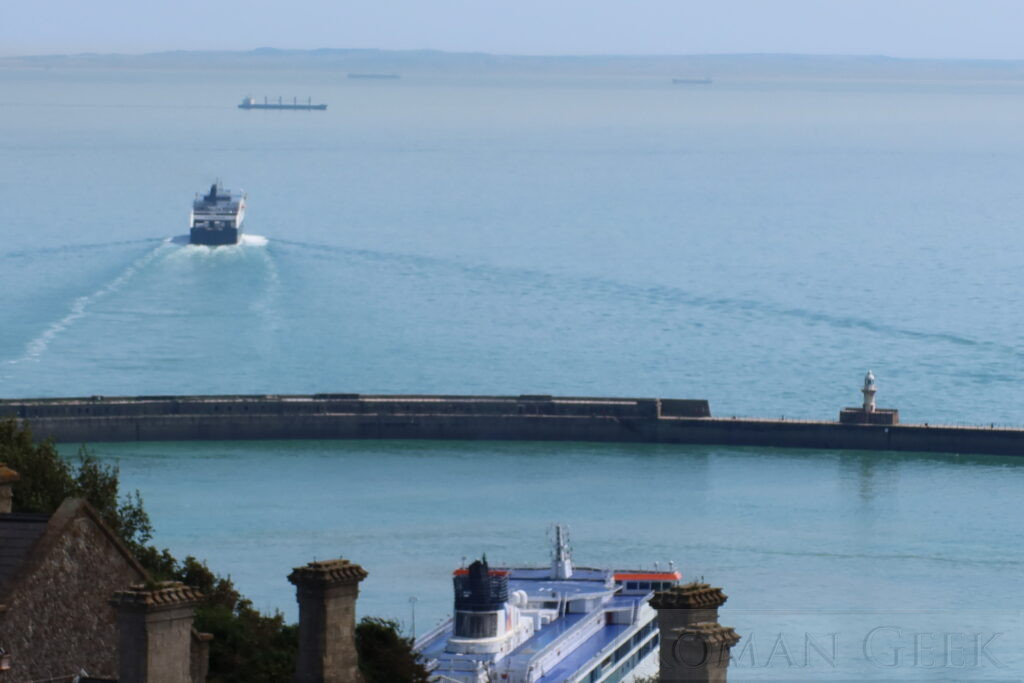
Straits of Dover looking towards Cap Gris Nez, France
Description: From the top of the Cliffs a panoramic view unfolds over the Port of Dover, the Strait of Dover and on a fine day, France is visible 22 miles (35 km) away. The Strait is considered the busiest shipping lane in the world with up to 600 commercial vessels transiting daily, connecting the North Sea with the Atlantic Ocean.
6. White Cliffs of Dover Walk
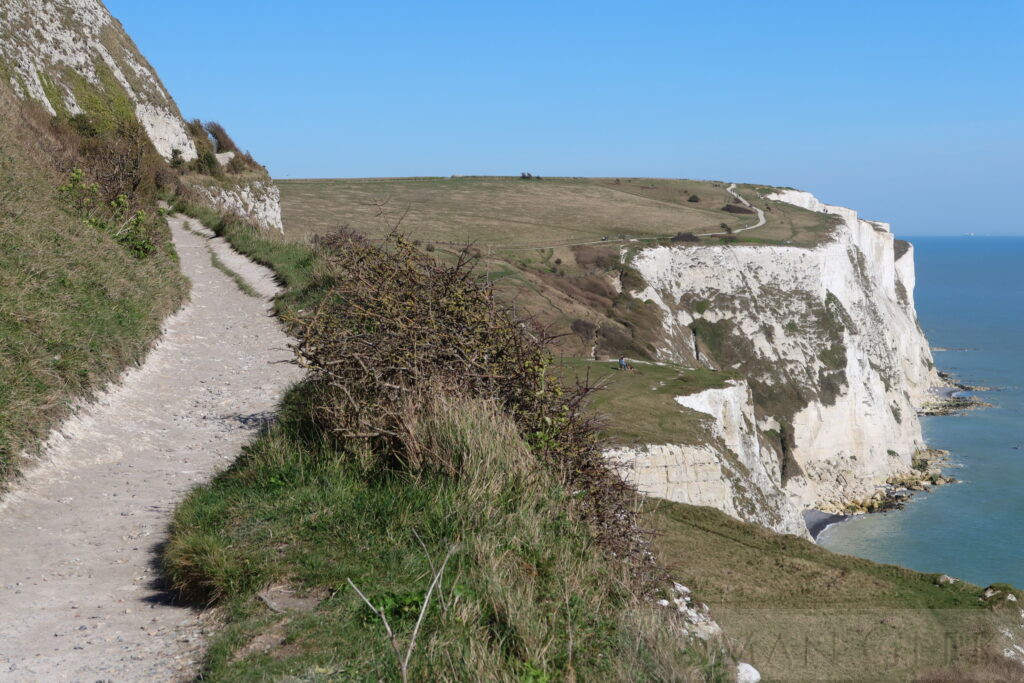
White Cliffs of Dover Walk
Description: The place to start the White Cliffs walk is the National Trust Visitor Centre which is off Upper Road, located 1.5 miles (2.4km) to the east of the castle. There is a steep climb to the top of the cliffs. It is shown on Google maps as ‘National Trust – The White Cliffs of Dover’. However, the best view of the White cliffs of Dover is from the sea.
White Cliffs of Dover Walk
Further Afield
7. Dover Transport Museum
Description: Located 3 miles (5km) from Dover at Willingdon road, Whitfield. The museum is only open on Sundays and Wednesdays and is approximately 15 minutes from Dover Museum by bus or car. It holds a collection of vintage trucks, cars, a 1929 Charabanc, a Steam roller and the Norman Motorcycle collection of 25 motorbikes. There are historic shopfronts, a preserved garage and various models and other memorabilia.
Travel Tips
- Best time to visit: Spring and autumn for mild weather and fewer tourists. White Cliffs Walking Festival (September), Folk Festival (July).
- Photography hotspots: Dover Castle, Dover Roman Lighthouse, White Cliffs of Dover
- Nearby Attractions: Reculver, Richborough Roman Fort, Canterbury, Dover Transport Museum
Visitor FAQ
- What is Dover famous for?
- Dover is known for The White Cliffs of Dover – a symbol of Britain, its Medieval Castle, often called the ‘Key to England’, and the busiest Ferry Port in the world connecting with the Continent over the 22 mile (35 km) Strait of Dover
- Can I see Roman Ruins in Dover?
- Yes, Dover Roman Lighthouse is located next to the Castle and the Dover Museum holds various Roman artefacts including a Diorama of Emperor Claudius’ arrival in 43 CE.
- How far is Dover from Canterbury city centre?
- Approximately 20 minutes by car.
- Are there Guided Tours of Dover historical sites?
- Yes, local guides offer walking tours highlighting a tour of the White Cliffs, the Castle and the Roman Lighthouse. Contact Dovergreeters
- Is Dubris the same as Dover?
- Yes, Dover was founded by the Romans and became the Roman city of Dubris in 43 CE.
- Which Roman Province was Dover located in?
- What was the role of Dubris (Dover) in the Roman Empire?
- Dover served as a key military hub with roads leading to Canterbury and the other key fortresses defending the Kent coast. It lay on an extension of Watling Street, the road leading from the Continent to London.
- Which Roman Roads connected Dover?
- A link from Dover connected with Watling Street at Canterbury and on to London. Iter III of the Antonine Itinerary starts from Dover.
Quick Facts
- Modern Location: Dover, England
- Category: Historic Medieval Castle, port city, tourist destination
- Activities: Walking tours, Sightseeing, Photography
- Nearby Roman Site: Reculver Twin Towers and Roman Fort, Richborough Roman Fort, Canterbury
- Nearest Roman road: Watling Street
- Roman Province: Britannia
Nearby Attractions
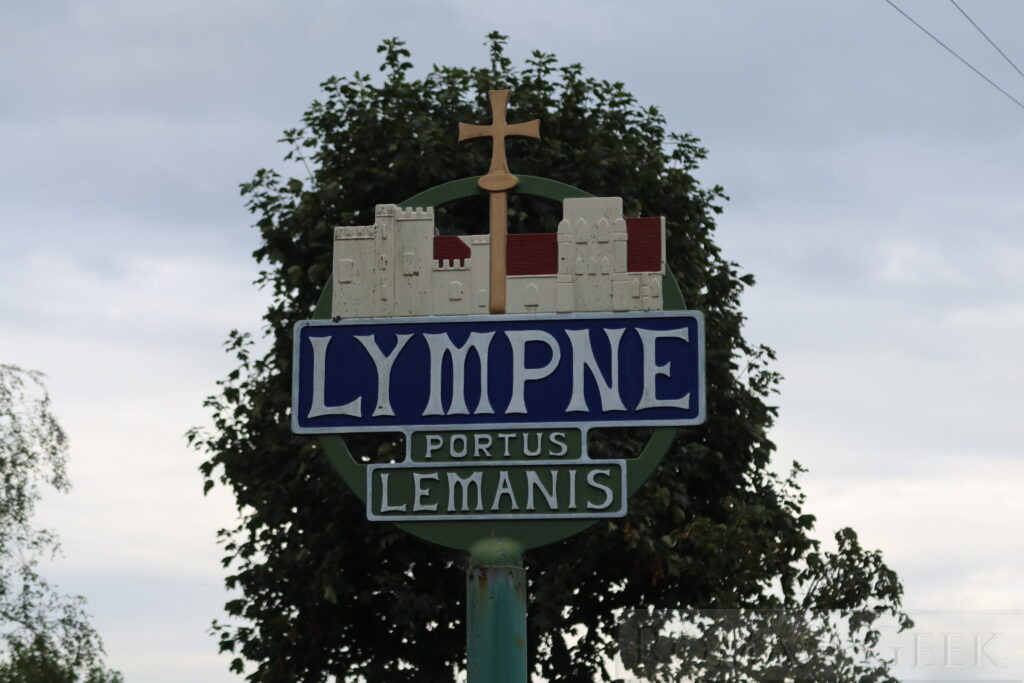
Lympne – Portus Lemanis
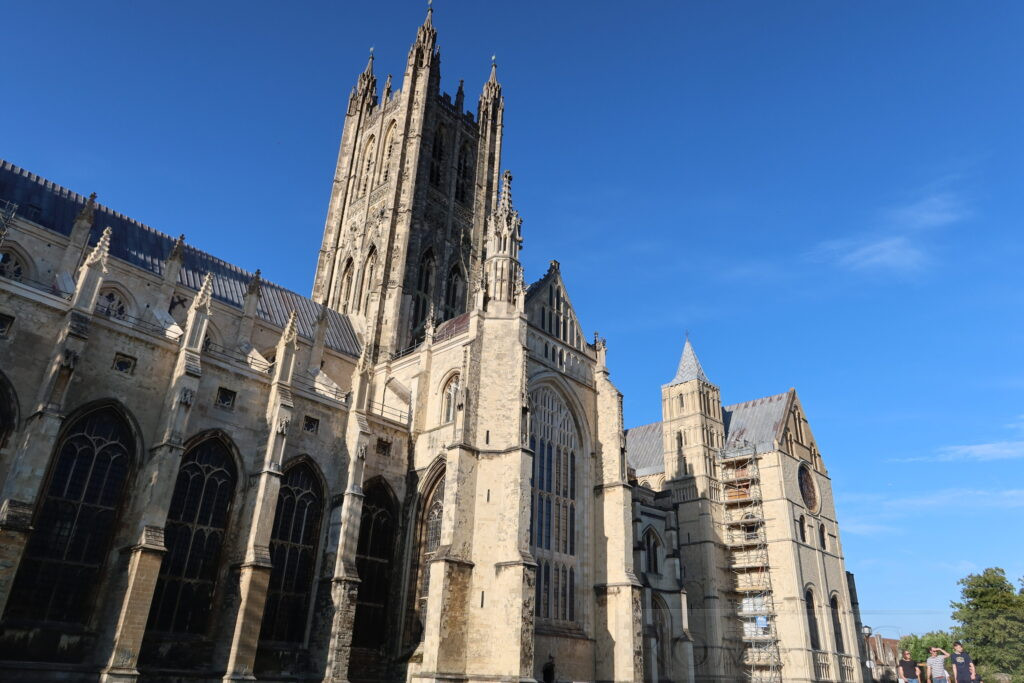
Canterbury Cathedral
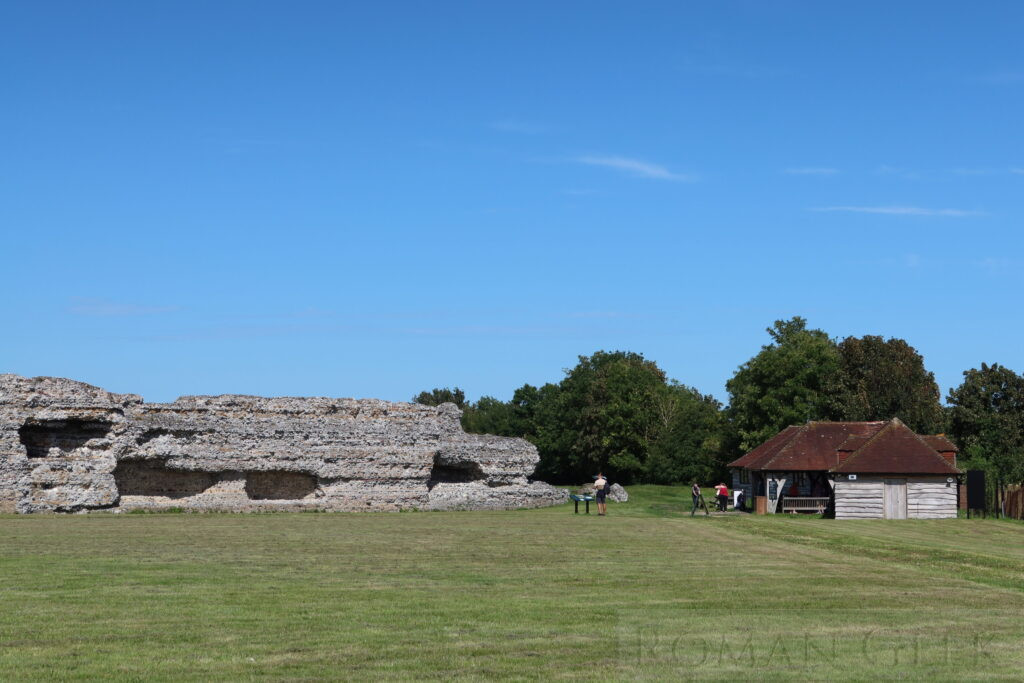
Richborough Roman Fort
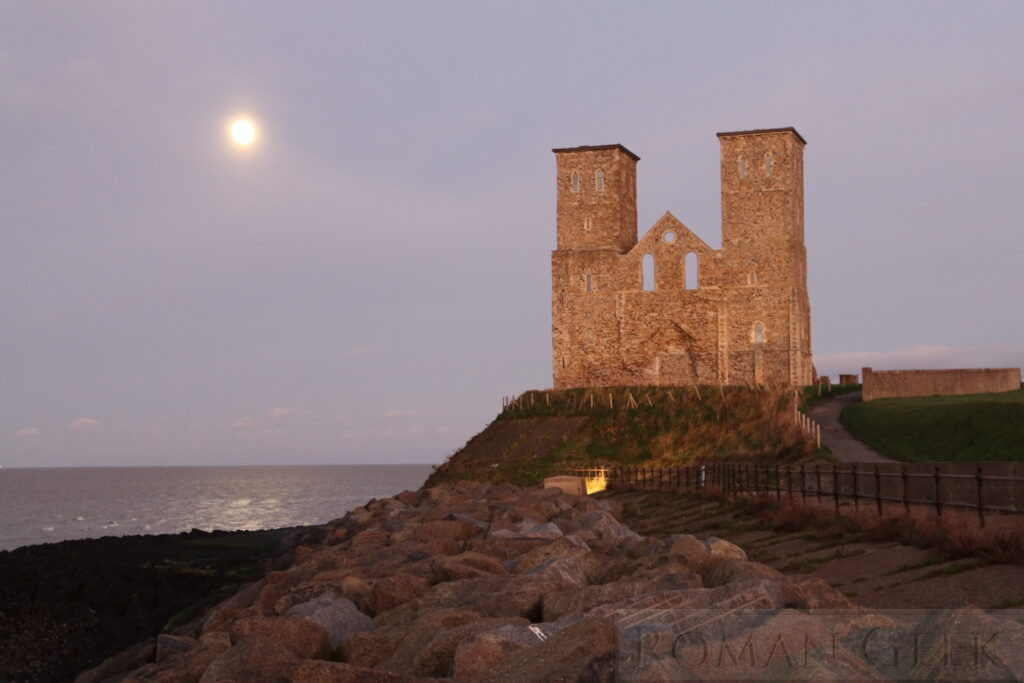
Reculver Twin Towers and Roman Fort