Filey

  • Filey in Yorkshire is considered to be the site of the Roman Portus Felix.
  • The foundations were found here of a Roman coastal signal station dating to the 4th century CE,

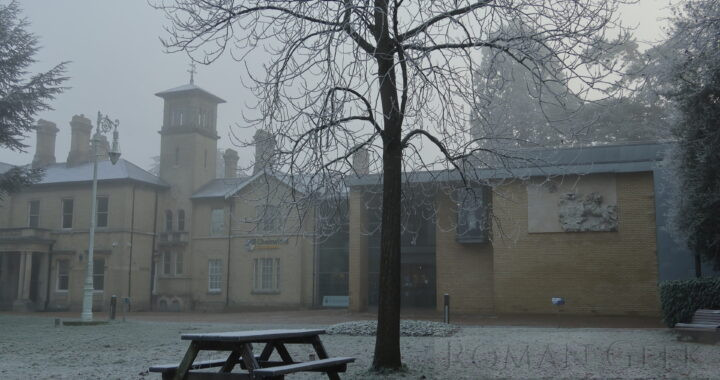
Filey, Yorkshire

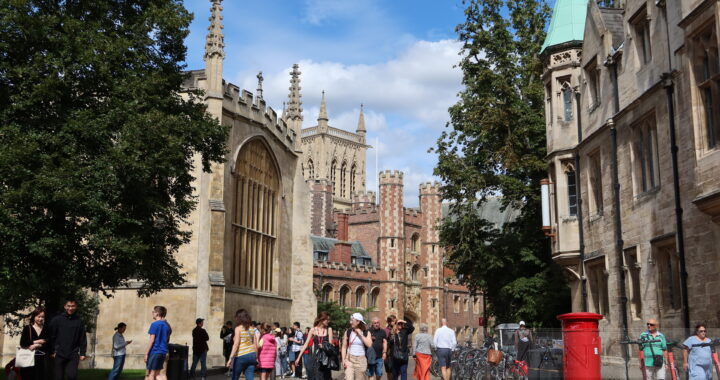
Trinity College Chapel and St. John's College, Cambridge

Cambridge

  • Cambridge is a University city located on the River Cam, 55 miles (89km) north of London in County of Cambridgeshire.
  • It was the site of a Roman Fort called Duroliponte.

Museums

  • Museum of Classical Archeology
    • Sidgewick Avenue, Cambridge.
    • The museum holds one of the largest plaster cast collections of Greek and Roman Sculptures in the world with over 450 on display, including the Farnese Hercules and the Sounion Kouros.
  • The Fitzwilliam Museum
    • Trumpington Street, Cambridge.
    • The museum includes a section on the Ancient World with Artefacts from the Graeco-Roman period.
  • Whipple Museum, Cambridge
    • Whipple Museum of the History of Science, Free School Lane, Cambridge.
    • The Museum holds examples of Astrolabes in its Holden-White Collection.

Roman Roads

Nearby Sites

  • Car Dyke (c. 1st Century CE)
    • This connected the River Cam to the River Ouse.
    • A Roman Barge could travel from Cambridge to Lincoln  and on to York without venturing into the North Sea.
  • Godmanchester


Photo and map: Trinity College and St. John’s College, Cambridge

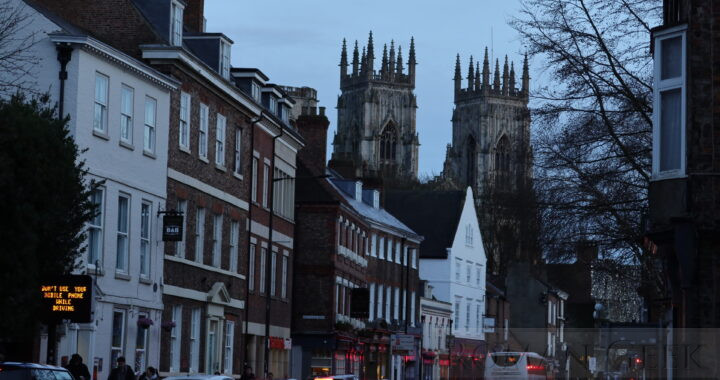
York Minster

York

  • York is a Cathedral city located on the confluence of the River Ouse and Foss in the North Riding of the County of Yorkshire.
  • The city was founded by the Romans as Eboracum in 71 CE and was the site of a permanent Legionary Fortress. York Minster is built over the Roman Basilica.

History

Roman Sites

  • York Minster
    • The Foundations of the Basilica (Roman Fortress Ceremonial Building) are in the Undercroft, Treasury and Crypt below York Minster.
  • York Roman Walls
  • The Multangular Tower
    • This was once part of the defensive Roman Wall now in York Museum Gardens.

Roman Legions

Museums

  • Yorkshire Museum
    • The Yorkshire Museum contains Artefacts from the Roman, Viking and Medieval Periods.
    • It holds three Roman Hoards.

Roman Roads


Photo and map: York Minster

Gamesley

  • Gamesley was the Roman Auxiliary Fort of Ardotalia on the Roman Road between Lincoln and Chester.
  • The Site is a Scheduled Ancient Monument. No visible Remains exist above ground today.

Roman Roads


Ardotalia Roman Fort Location

Chelmsford City Museum

Chelmsford

  • Chelmsford is a Cathedral city located on the River Chelmer in the County of Essex.
  • It was known to the Romans as Caesaromagus Trinovantum and was on the Pye Road in the Province of Britannia.

Museums

  • Chelmsford City Museum
    • Located at Oaklands Park, Moulsham Street, Chelmsford.
    • The museum holds Roman Artefacts, including a collection of Jet Jewellery and a copper alloy tiger.
    • Inside Chelmsford Museum is the Museum of the Essex Regiment and Essex Yeomanry, which holds a bronze eagle on a standard made in a similar style to the Roman Eagle of the Legion.

Roman Roads


Chelmsford Museum

Caerleon

  • Caerleon is a town located on the river Usk in Gwent in Wales.
  • It was Roman Isca Augusta, a Legionary Fortress built and occupied between 75-c.290 CE, by the Legio II Augusta.

The Roman Site and Museum

Roman Legion

Roman Roads

Nearby Sites


Caerleon Amphitheatre

Halifax

  • Halifax is a town located on the river Calder in the West Riding of the County of Yorkshire.
  • It was known to the Romans as Hortonium in the Province of Britannia.


Halifax


Doncaster

  • Doncaster is a minster town located on the river Don in North Yorkshire in the Yorkshire and Humber Region of England.
  • It was the Roman fort of Danum guarding the crossing of the river Don by the Roman Road to York.

History

  • According to the Notitia Dignitatum (4th century CE), the fort was manned by an Auxiliary Cavalry Unit.

Roman Sites

  • Doncaster Minster stands on the Site of the Roman fort.
    • About 60 feet (18m) of the fort wall still stands at the Northeast end of the grounds.

Museums

  • Danum Gallery, Library and Museum
    • The museum is located on Waterdale in Doncaster.
    • The museum holds Finds from all periods of history including the Danum Shield, a Roman Auxiliary soldier’s rectangular shield, found in the fort of Glanum in 1971.

Roman Roads


Danum Gallery, Waterdale, Doncaster

Wroxeter

  • Wroxeter is a village on the river Severn, 5 miles southeast of Shrewsbury, in the County of Shropshire,
  • It was the Roman Fortress of Viroconium Cornoviorum located on a junction on Watling Street with one arm south to Caerleon and the other arm north to Chester.

Roman Legion

Wroxeter Roman City and Museum

Roman Roads

Wroxeter

High Cross

  • High Cross is the name of a crossing point of two Roman roads, which is located one mile (2km) west of the village of Claybrooke Magna in the County of Leicestershire. It is considered to be the centre of Roman Britain.
  • It was the site of the Roman Fort of Venonis at the junction of Fosse Way and Watling Street. There are no visible remains.

Battle of Watling Street

  • The Battle took place between 60-61 CE, but the Battle Site is only known to have been located somewhere along Watling Street between Wroxeter and London.
  • Possible Sites are thought to include Mancetter (Manduessedum), High Cross (Venonis) and Towcester (Lactodorum).

Roman Roads


Location of High Cross