Caerwent

  • Caerwent is a village located on the Nedern Brook in the County of Monmouth, Wales.
  • It was founded in 75 CE as the Civitas of Venta Silurum, capital of the Silures Tribe, in the Province of Britannia.

History

  • A Roman Stone bearing the inscription Civitas Silurum was found and is now held in the Parish Church.
  • Caerwent was built by the Legio II Augusta based nearby in the Roman Legionary Fortress of  Caerleon.

Roman Sites

  • Caerwent Roman Town
    • Roman Walls, up to 16ft (5m) high.
    • Foundations of a Basilica and Forum.
    • Foundations of a Temple.
    • The main Roman Road, running through the town.
    • Some of the Finds from Caerwent, such as the Painted Peacock wall painting, are in the National Roman Legion Museum in Caerleon.

Roman Roads


Venta Silurum, Caerwent

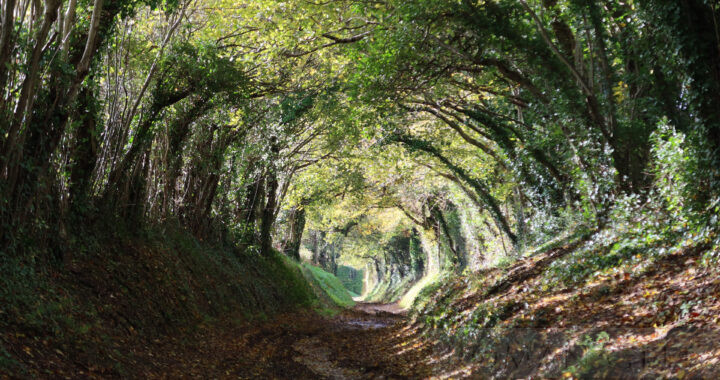
Halnaker Tunnel, Stane Street

Stane Street

  • Stane Street is a 57 mile (91km) long Roman Road that connected London with Chichester.
  • The modern A3, A24, A29 and A285 parallel the Roman Road between London and Chichester.

Preserved Sections

  • Stane Street has a preserved section between Mickleham Downs and Thirty Acres Barn, Ashstead, which is listed as a National Monument.
  • Another preserved section of Stane Street climbs over the hilltop beside of Bignor Roman Villa, and also exists as a footpath near Halnaker on the way to Chichester.

Posting Stations

  • Known Posting Stations are Alfoldean and Hardham.
  • Probable Posting Station Sites (Mansiones) are Merton Priory, Ewell and Dorking.

The Route

  • London
    • The A3 from London Bridge tp Clapham Common and the A24 from Clapham Common to Ewell follows the straight Roman alignment for 12 miles (20km).
  • Merton Abbey
  • Morden
  • Ewell
  • Epsom
  • Dorking
  • South Holmwood
  • Alfoldean
  • Billingshurst
  • Hardham (Pulborough)
  • Bignor Roman Villa
  • Halnaker tunnel
  • Chichester
  • Dell Quay

Roman Roads in Britain


Halnaker tunnel, Stane Street

Norton

  • Norton is a village located 1 mile (1.5km) southwest of Bannaventa, a Roman Statio (Posting Station), near Daventry in the Province of Britannia. There are no visible Remains above ground.
  • Bannavem Taburniae is said to have been the place of birth of St. Patrick, the Patron Saint of Ireland, which may have been Bennaventa.

Roman Roads


Bannaventa Roman Town

Ilchester

  • Ilchester is a town located on the river Yeo in the County of Somerset.
  • It was the Roman fort and then town of Lindinis, located on the Fosse Way where it crossed the River Yeo, and had a junction to Dorchester.

History

  • Ilchester is 5 miles (8km) north of Yeovil.
  • It was one of the two Capitals of the Durotriges Tribe, the other being Dorchester.

Museums

  • Ilchester Museum
    • Ilchester Town Hall, High Street, Ilchester.
    • The museum holds Artefacts found locally, including some from the Roman period.

Roman Roads

Ilchester Museum, Ilchester Town Hall

Anglesey

Caer Gibi Roman Fort

  • Caer Gibi was a Sea Fort with only three walls, the fourth being open to the Harbour.
  • It has a similar design to the Saxon Shore Forts of southeastern Britain.
  • The Fort is associated with a nearby Roman watchtower located at the top of Holyhead mountain.

Bryn Celli Ddu

  • Bryn Celli Ddu is a restored Neolithic Passage Grave in Anglesey, Wales, located 1/2 mile (1km) from the Menai Strait.
  • It was originally surrounded by a Henge with Standing Stones (now lost). Inside the Grave is a Pillar whose function is unknown.
  • The alignment of the Passage is towards the Summer Solstice Sunrise.
  • The Henge has been dated to c.3,000 BCE.

Copper Mine

  • The Romans worked a Copper Mine in Parys Mountain.

Roman Roads

Nearby Sites


Anglesey

Caernarfon

  • Caernarfon is a port town in Wales located on the Menai Strait opposite the Island of Anglesey.
  • It was founded as the Roman Fort of Segontium and is noted for the medieval Caernarfon Castle which is a UNESCO World Heritage Site.

History

Auxiliary Unit

Roman Sites

  • Segontium Roman Fort
    • The Site is open to visitors and holds the vestiges of Roman buildings in the fort.
  • Caernarfon Castle
    • This is a medieval castle built in 1283 CE, near to the Roman Fort.

Roman Roads

Nearby Sites


Segontium Roman Fort

Atherstone

  • Atherstone is a market town located on the river Anker in the County of North Warwickshire in England.
  • The village of Mancetter, now a suburb of Atherstone, was the site of a Roman Settlement called Manduessedum.

History

  • In c. 50 CE, Mancetter was the location for a Legionary Fortress built to house the Legio XIV Gemina, which was located where Watling Street crossed the river Anker.
  • The settlement of Manduessedum then grew up around the fortress.
  • Queen Boudicca is believed to have been defeated near Manduessedum at the Battle of Watling Street during Boudicca's Revolt.
  • The Ruins of up to 30 Roman Pottery Kilns have been found nearby.

Roman Roads

Mancetter


Old Kilpatrick

  • Old Kilpatrick was the Roman Fort of Clotagenium, near the western terminus of the Antonine Wall in Scotland.
  • There are no visible Remains as the Site lies underneath the Gavinburn Bus Depot. Finds from the Fort are in the Hunterian Museum Glasgow.

Antonine Wall

  • The Antonine Wall was a Roman Defensive Wall in Scotland that was built of stone and turf between 138-142 CE.
  • It ran from coast to coast between Glasgow and Edinburgh.


Old Kilpatrick

Ilkley

  • Ilkley is a Spa town located on the river Wharfe 12 miles (19km) north of Bradford, in the West Riding of the County of Yorkshire.
  • It was a Roman Fort, possibly named Olicana, located on a crossing of two Roman roads, in the Province of Britannia.

Roman Site

  • The Site of the Fort is under the Manor House Art Gallery and Museum
  • Part of the Roman Wall is beside the Manor House, with signs pointing to the ground plan of the Walls.

Museums

  • Manor House Art Gallery and Museum
    • Located at Castle Yard, Ilkley.
    • The museum holds Finds that have been excavated from the Roman Fort including a Roman Altar.
    • All Saints Parish Church, standing nearby, has two Roman Altars built into the Tower.

Roman Roads

Ilkley

Luton

  • Luton is a town on the river Lea in Bedfordshire founded by the Saxons during the sixth century CE.
  • It is the location of the Head Office of Easyjet Airlines and Vauxhall Motors at nearby Charlton.

Ancient Sites

  • Waulud’s Bank
    • Possible Neolithic Henge dating from c.3,000 BCE.

Local Attractions

  • Whipsnade Zoo
  • Woburn Safari Park
  • Luton Hoo
  • Leighton Buzzard Light Railway


Waulud’s Bank, Luton