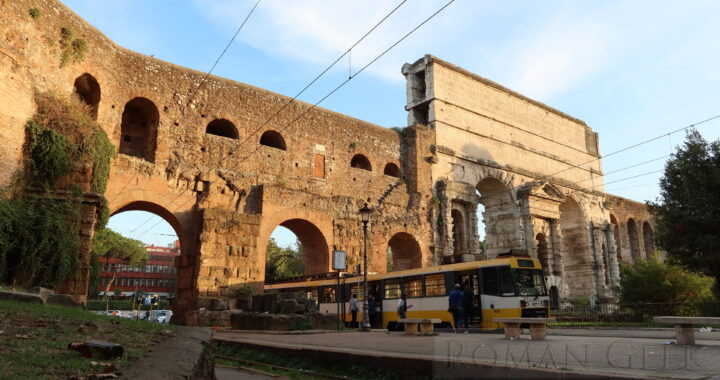
Arch of Drusus

  • The Arch of Drusus in Rome carried the Aqua Marcia, but appears to have existed before the addition of the aqueduct, which was possibly constructed by Caracalla between 211-216 CE.
  • The Arch bears no relation to Drusus the Elder. It is located in front of a section of the Aurelian Walls.

Getting There

  • Location: Via di Porta San Sebastiano, Rome.
  • Nearest Metro Station: Circo Massimo, Line B.


Arch of Drusus, Rome

Nero’s Aqueduct

  • Nero’s Aqueduct, also known as the Arcus Neroniani, is an extension of the Aqua Claudia.
  • It was built by Nero (54-68 CE) to take water to his Palace, the Domus Aurea.

Getting There

  • Location: Junction of Via Domenico Fontana and Via Tasso, Rome.
  • Nearest Metro Station: Manzoni, Line A.
  • Nearest Tram Station: San Giovanni, Line 3.


Arcus Neroniani, Via Domenico Fontana

Porta Maggiore carrying two Aqueducts, Rome

Porta Maggiore

Getting There

History

  • Porta Maggiore is a double archway made from white travertine limestone which carries the two Aqueducts of Ancient Rome.
  • The two channels are visible from the side, one above the other.
  • The archway was created in 52 CE by the Emperor Claudius for the Aqueducts to cross over two Roman roads, the Via Labicana and Via Praenestina.
  • The Gate was later included into the Aurelian Walls by Aurelian between 271-5 CE.


Photo and map: Porta Maggiore

Roman Aqueduct of Diocletian

The Site today

  • Between 1877-1880 CE, the Aqueduct was reconstructed.
  • The most imposing section is near Solin and has a height of 54 feet (16.5m) and a length of 590 feet (180m).
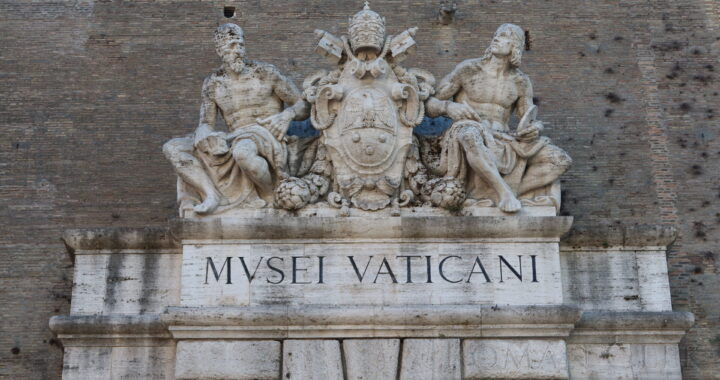
Vatican Museums, Rome

Vatican Museums

  • The Vatican Museums are the Museums of the Vatican City in Rome and contain tens of thousands of art works collected by the Papacy and the Catholic Church for over 1,000 years.
  • The Museums hold some of the most famous Roman Sculptures and Renaissance art works.

Getting There

  • Location: Piazza San Pietro, Rome.
  • Nearest Metro Station: Ottaviano, Line A, then Bus 982.

The Collection

  • The Museums contain 70,000 works, of which 20,000 are on display.
  • The collection includes Roman Art and Renaissance Art.
  • The Museums include the Sistine Chapel with its ceiling frescoes painted by Michelangelo and the four Raphael rooms with frescoes by Raphael.

Famous Roman Sculptures

  • Prima Porta Augustus (c.20 CE)
    • Displayed in the Braccio Nuovo wing of the Museums, is the ‘Augusta of Primaporta’, a lifesize white marble statue of Augustus.
  • Laocoon and his sons
    • Pliny the Elder attributed the Work to three artists from Rhodes, Agesander, Athenodoros and Polydorus. Agesander. Today, the Work is considered to be a 1st century CE copy of a Bronze original from the 2nd century BCE.
  • Belvedere Apollo
    • A 2nd century CE marble sculpture of Apollo made in a Hellenistic style.

Other Museums of Rome


Photo and map: Vatican Museums, Rome

Narbonne Roman Lighthouse

  • This site has not yet been confirmed as a Roman Lighthouse and is not open to the public.
  • Excavations have a revealed a complex of buildings on the south side of the Isle de St. Martin, near Gruissan. The excavators found fresh water basins, Baths, and what may be the foundations of a tower.

Narbonne

  • Narbonne was the one of the most important towns in Gaul.

Port la Nautique

  • Was an important port for shipping Goods to Rome. Many important artefacts have been found here are in the Archeological Museum of Narbonne.


Ile Saint-Martin, Gruissan, France

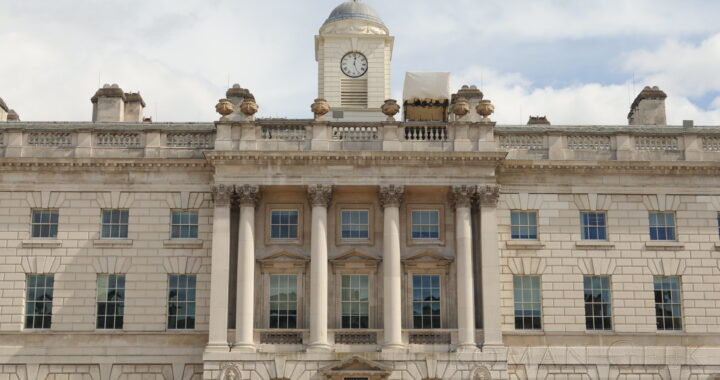
Somerset House, London

Courtauld Gallery

  • The Courtauld Gallery is an art gallery located in Somerset House on the Strand in London.
  • It contains many sculptures, over 500 paintings and 26,000 drawings and prints, which date from the medieval to the modern period. In particular it has a large collection of French Impressionist and Post Impressionist paintings.

Notable Artworks

  • The Dying Gaul
    • This is a modern copy of the sculpture of the Dying Gaul (originally called the Dying Gladiator).
    • The original is housed in the Capitoline Museums in Rome, but is itself a Roman copy of the original Greek sculpture made in circa 230-220 BCE.


Photo and map: Somerset House, The Strand

National Roman Legion Museum

  • The National Roman Legion Museum is based in the Roman legionary fortress of Caerleon, located at High Street, Caerleon, Newport, Wales.
  • It forms part of the National Museum of Wales.

The Roman Sites

  • The Museum is built within the site of the Roman Fortress.
    • Roman Amphitheatre
    • Roman Bath house and Roman Baths Museum
    • Roman Walls
    • Roman Legionary Barracks

Legio II Augusta


National Roman Museum, Caerleon

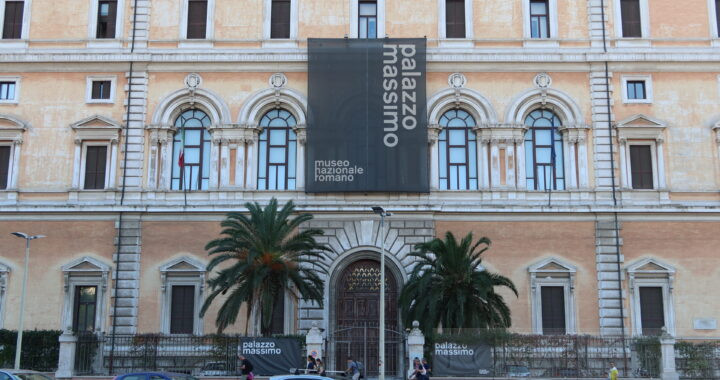
National Roman Museum, Palazzo Massimo, Rome

National Roman Museum

  • The National Roman Museum of Italy is a group of museums with four locations in the city of Rome.
  • The Museum is dedicated to the history of Ancient Rome.

Getting There

  • There are four Museums:
    • Palazzo Massimo alle Terme.
      • Largo di Villa Peretti, 2, Rome.
    • Palazzo Altemps.
      • Piazza di Sant’ Apollinare, Rome.
    • Crypta Balbi
      • Via delle Botteghe Oscure, 31, Rome.
    • Baths of Diocletian
      • Viale Enrico de Nicola, 78, Rome.

Notable Exhibits

Other Museums in Rome

  • Capitoline Museums
    • Located in Piazza del Campidoglio, Rome. The Capitoline Museums are a Group of Art and Archeological Museums on top of the Capitoline Hill in Rome. There are three main buildings linked by an underground gallery.
  • Vatican Museums
    • Located in the Vatican City, Rome. The collection includes Roman Art and Renaissance Art and contains 70,000 works of which 20,000 are on display.


Photo and map: Palazzo Massimo, National Roman Museum, Rome

National Archeological Museum Naples

  • The Naples Archeological Museum contains artefacts excavated from the nearby buried cities of Pompeii and Herculaneum.
  • It is located at Piazza Museo 19, Naples, Italy.

Works from Antiquity

  • Mosaics
    • Recovered from Pompeii and nearby towns:
      • The Alexander Mosaic.
  • Statues
    • Statue of Trajan (1st century CE) from Minturno.
    • A copy is located in front of the Roman Wall Tower Hill in London.
  • Roman Bronzes
  • The Farnese Collection
    • Including the Roman marble statues:
      • The Toro Farnese
      • The Atlante Farnese
      • The Ercole Farnese.
  • The Pompeii Collection
    • Which includes Paintings, Statues and Frescoes.
  • Lex Julia Municipalis
    • Fragments of a bronze tablet containing the Lex Julia Municipalis were found in Heraclea. They are now housed in the National Archeological Museum Naples.
    • The Law was passed by Julius Caesar with the aim of reducing congestion in Rome by banning cart traffic during the daylight hours.


National Archeological Museum, Naples