Zemun: The Old Town of Belgrade in Serbia
Overview
Zemun, also known as Belgrade Old Town, is a picturesque suburb of Belgrade in Serbia, which is located along the Danube waterfront. Known in Roman times as Taurunum, this historic settlement is spread around Gardos Hill. This beautiful neighbourhood holds old buildings in narrow streets, with stunning views from the top of the Hill overlooking the Old Town and Danube river.
History
Taurunum supported the Roman Legion based at Singidunum in Belgrade. It was an important Naval base for the Roman Navy on the Danube, known as the Classis Pannonica. The navy held a strategic role in patrolling the Danube Frontier. Over time, Zemun evolved into a medieval fortress and now a modern suburb.
Zemun Walking Tour
- Your geolocation will appear as a blue icon that moves on the map as you walk.
- You may start anywhere on the map and just follow the blue line to the next point of interest.
Things to Do and Places to Visit in Zemun
1. Gardos Tower
Description: The Gardos Tower is built on the site of a former Roman Fort. It is a central landmark located within the ruins of the medieval Zemun fortress, and offers panoramic views of the Danube and Belgrade.
2. Medieval Zemun Fortress
Description: The ruined footings of the medieval fortress indicate a square citadel with four circular towers. It was constructed directly over Zemun’s Roman fort, revealing the ongoing defensive history of the area.
3. St. Nicholas Church
Description: St. Nicholas Church, also known as St. Nikolajevska Church, is a historic Baroque style church which was completed in 1752. It stands on the site of a former wooden Serbian temple dating back to the sixteenth century.
4. Danube Promenade (Zemunski Kej or The Quay)
Description: This is the bustling riverfront promenade itself, perfect for strolls, dining at riverside restaurants and watching swans. Two thousand years ago, this was a busy Roman Navy port for the Classis Pannonica, whereas today it features walking and cycling paths along the Danube.
5. Big Square (Velig Trg) Outdoor Market
Description: This is the focal point for visitors and locals in Belgrade old town. The square is surrounded by picturesque buildings, cafes and shops. In the centre is the outdoor market featuring stalls with fresh fruit, vegetables and fish, and a taste of Serbian cuisine. it is the best place to shop for handmade crafts, antiques as well as bric-a-brac.
Located in front of the Outdoor Market is the Baroque style Catholic Church of the Assumption of the Blessed Mary, which was built in 1795 and stands on the site of a former 16th century mosque. Inside is the Baroque statue of the Black Virgin made from ebony, which stands beside statues of St. Peter and St. Paul.
6. Farmers’ Market (Zemunska Pyjaca)
Description: Just around the corner from Big Square is the Farmers’ Market selling fruit, vegetables, fish, plants, flowers and clothing.
7. Gospodska Street
Description: Gospodska Street in Zemun is a quaint and scenic road lined with delightful buildings, local shops and inviting coffeehouses in a pleasant and welcoming atmosphere.
8. Magistrate Square (Magistratski Trg)
Description: The Magistrate Building is the heart of old Zemun, and used to be the centre of Administration during the Austro-Hungarian period. There are other historic buildings to be found in the square.
9. Great War Island
Description: Great War Island is a short walk from the Danube Promenade, and is reached by a ferry. The island is located at the confluence of the river Sava with the Danube. It holds a Nature Reserve called Veliko Ratno Ostrvo. The island is accessible during the summer for beaches (Lido Beach) and birdwatching.
Name: The island sits on a strategic location where armies could position their artillery and launch attacks on to bombard Belgrade’s Kalmegdan fortress. This happened during the Ottoman Siege of 1521, the Serbian Uprisings of 1806 and during the Austro-Hungarian Empire’s attack on Belgrade in 1915.
Travel Tips
- Best time to visit: Spring and Autumn for milder weather and fewer visitors
- Photography hotspots: Garos Tower and Medieval Fortress footings, Danube Promenade, Big Square
- Nearby attractions: River Cruises, Kalmegdan Fortress in Belgrade
Visitor FAQ
- What is Zemun famous for?
- Zemun is known for its historic Roman origins as Taurunum, the remains of its Medieval Fort and scenic views of the Danube.
- Can I see Roman Ruins in Zemun?
- There are no visible Roman ruins, because the Gardos Tower and the Medieval fortress occupy the site of the former Roman fort.
- How far is Zemun from Belgrade city centre?
- Approximately 30 minutes by bus.
- Are there guided tours of Zemun’s historical sites?
- Yes, local guides offer walking tours highlighting the Gardos Tower, medieval fortress and riverfront history.
- Is Taurunum the same as Belgrade?
- No. Taurunum corresponds to modern Zemun, while Belgrade developed separately from the Roman Fortress of Singidunum located nearby.
- What was the role of Taurunum in the Roman Empire?
- Taurunum served as a fortified military settlement and naval harbour supporting the Danube Frontier defensive system known as the Danube Limes. The Limes consisted of Roman Legions, Navy units and defensive walls all operating together in a tightly controlled structure.
- Which Roman Province did Taurunum belong to?
- Which Roman Roads connected Zemun?
- The Via Militaris, also known as the Via Diagonalis, was the Roman Road from Belgrade to Constantinople. It passed along the southern bank of the Danube to Viminacium, then through Nis (Naissus), Sofia (Serdica), Plovdiv (Philippopolis) and Edirne (Adrianopolis). It was built during the 1st century, possibly by Nero and was 574 miles (924km) long. Excavations have revealed a two lane highway, 26 feet (8m) wide.
Quick Facts
Nearby Attractions
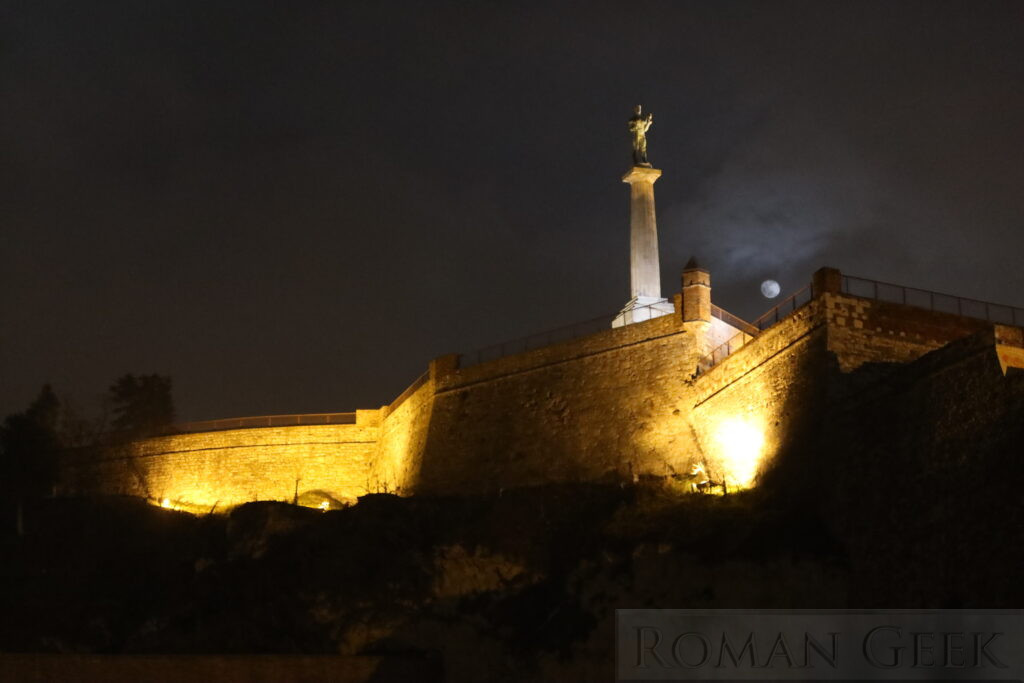
The Belgrade Fortress consists of the old citadel (Upper and Lower Town) and Kalemegdan Park
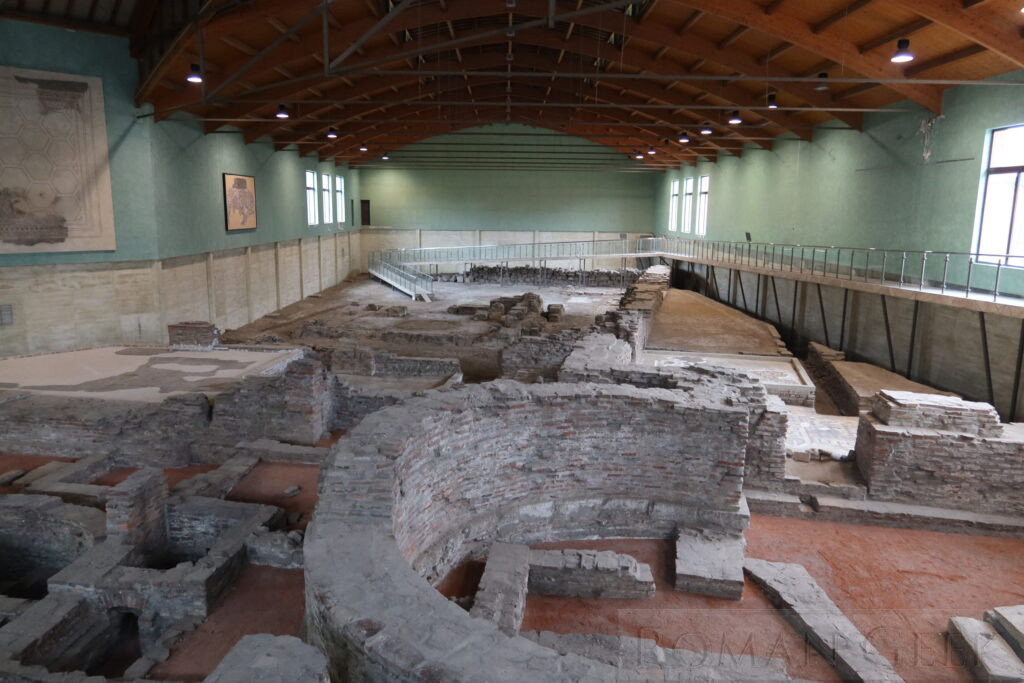
Sirmium. Excavation of part of the Imperial Palace. 18 Roman Emperors were born in or near Sirmium.
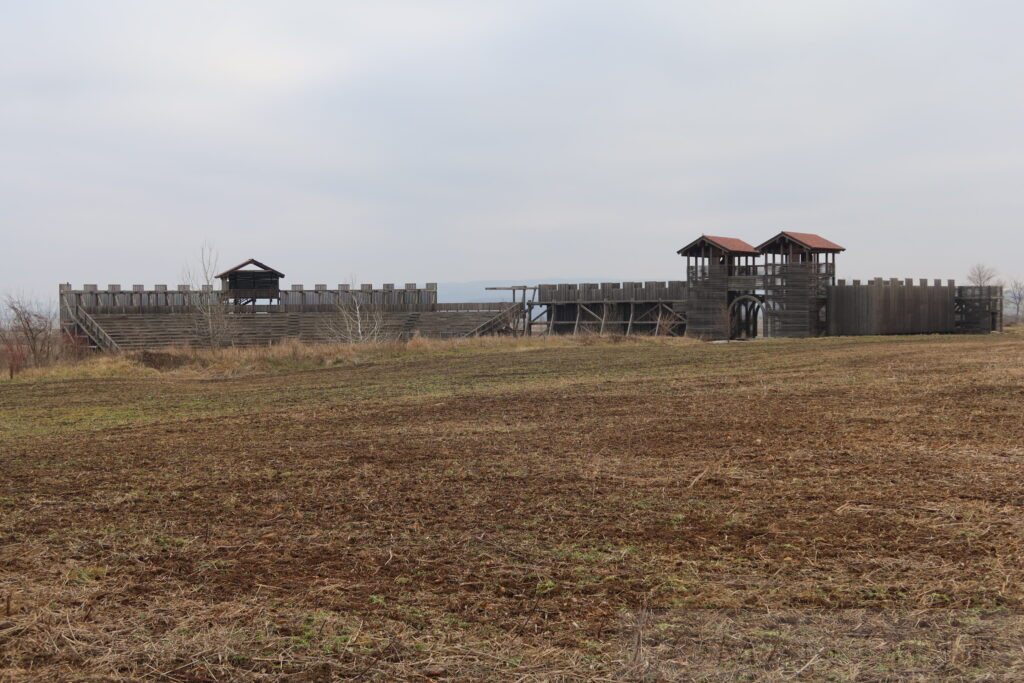
Viminacium reconstructed Amphitheatre and Gate
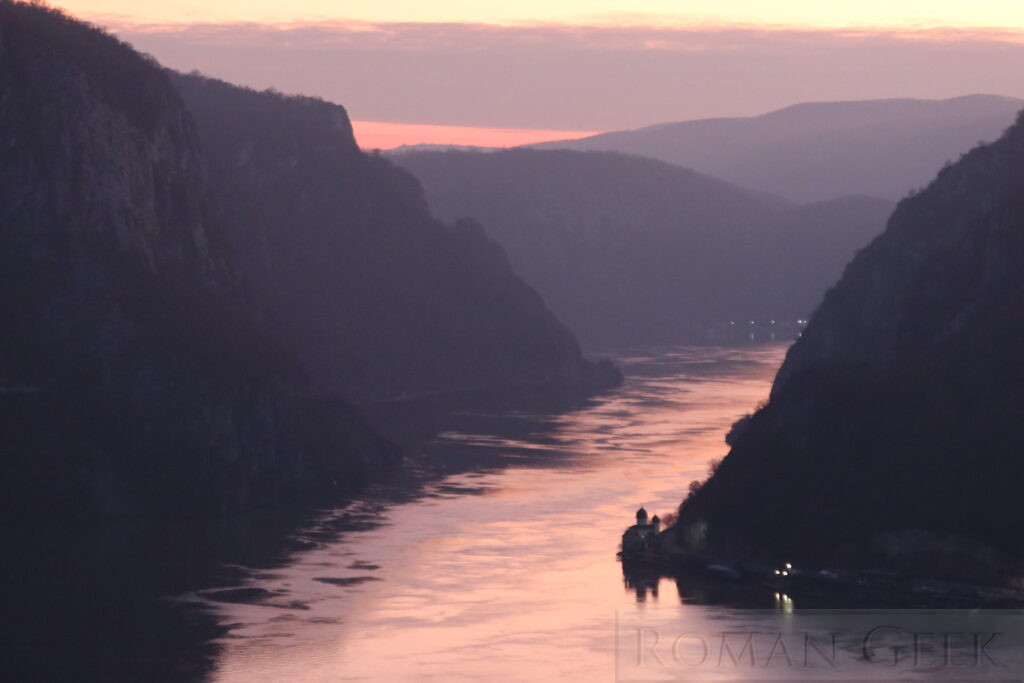
The Iron Gates are a series of Gorges stretching 83 miles (134km) on the River Danube, this is the Kazan Gorge.
